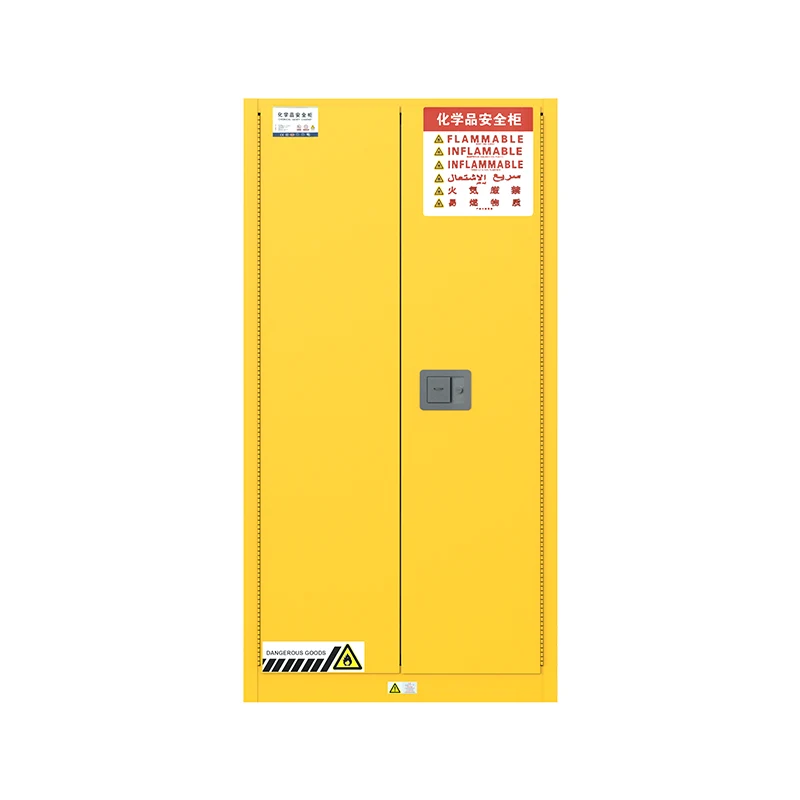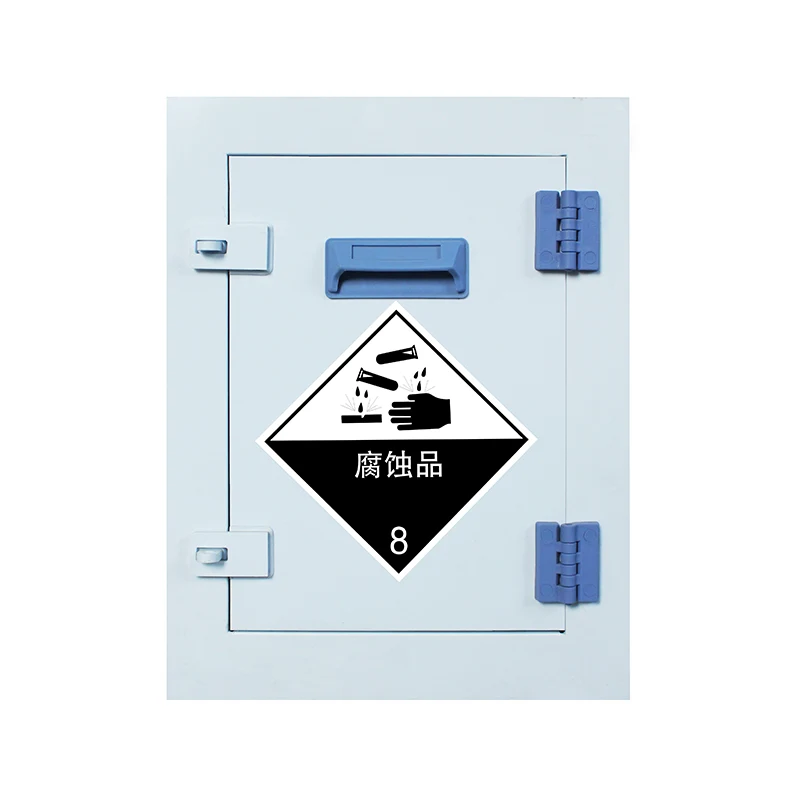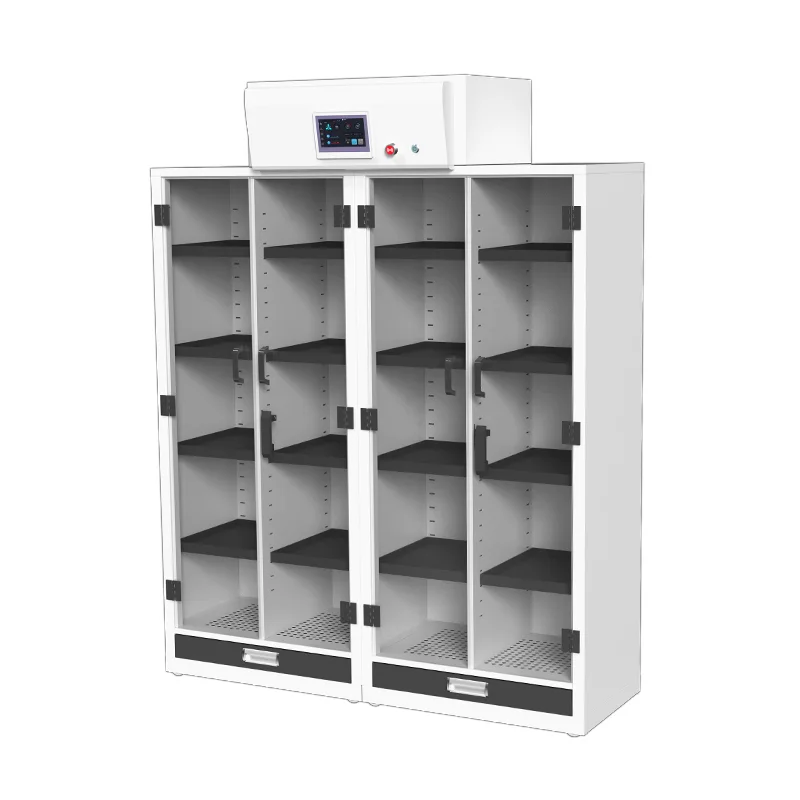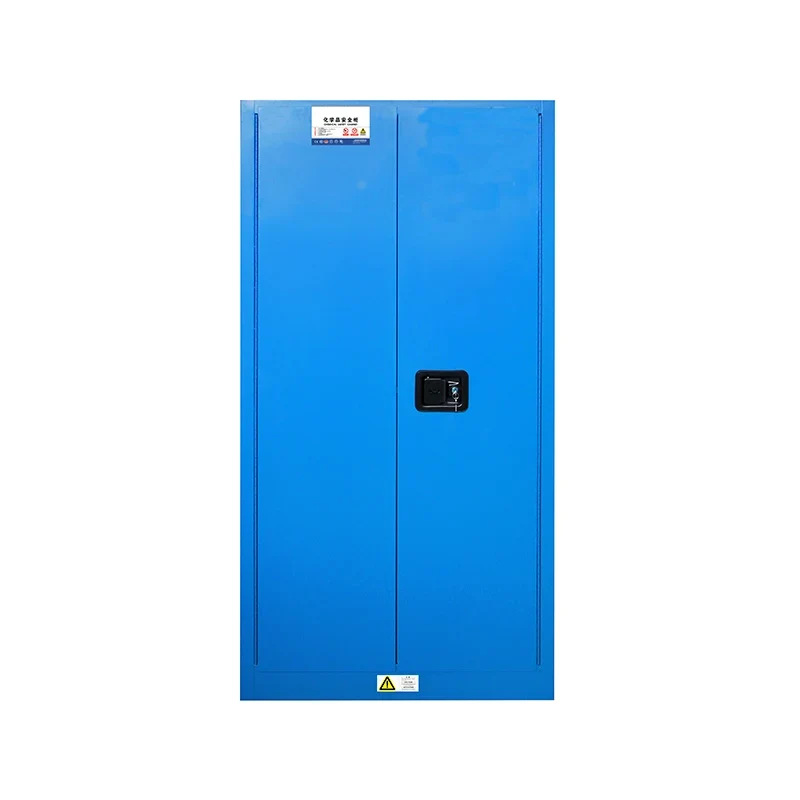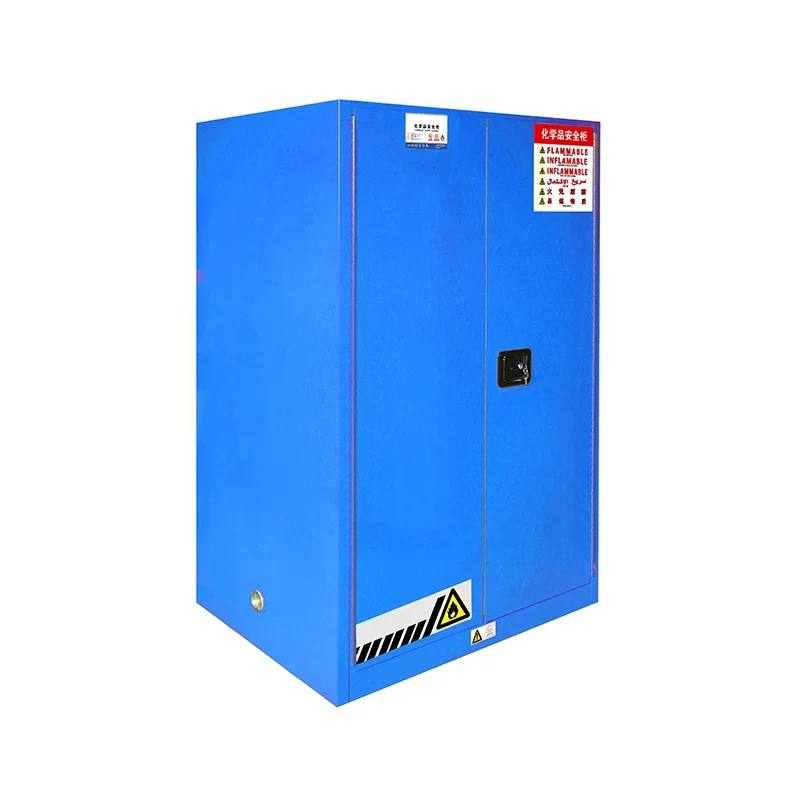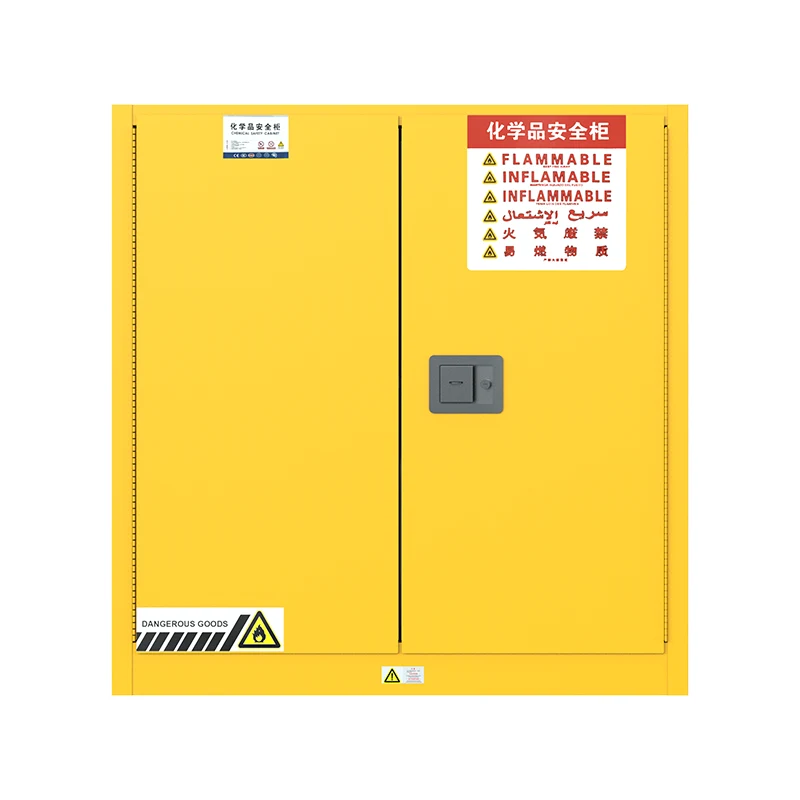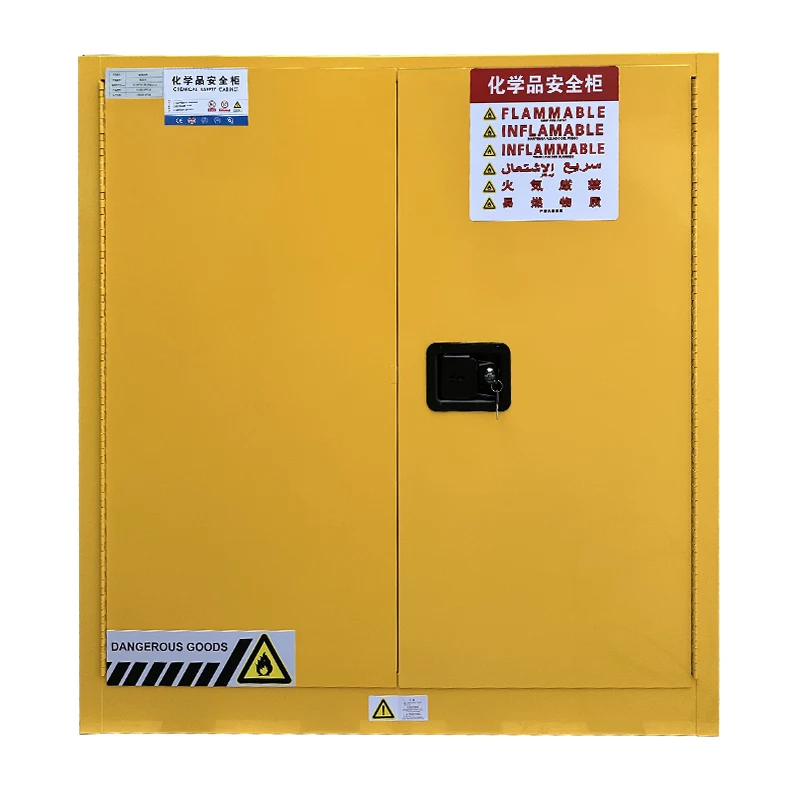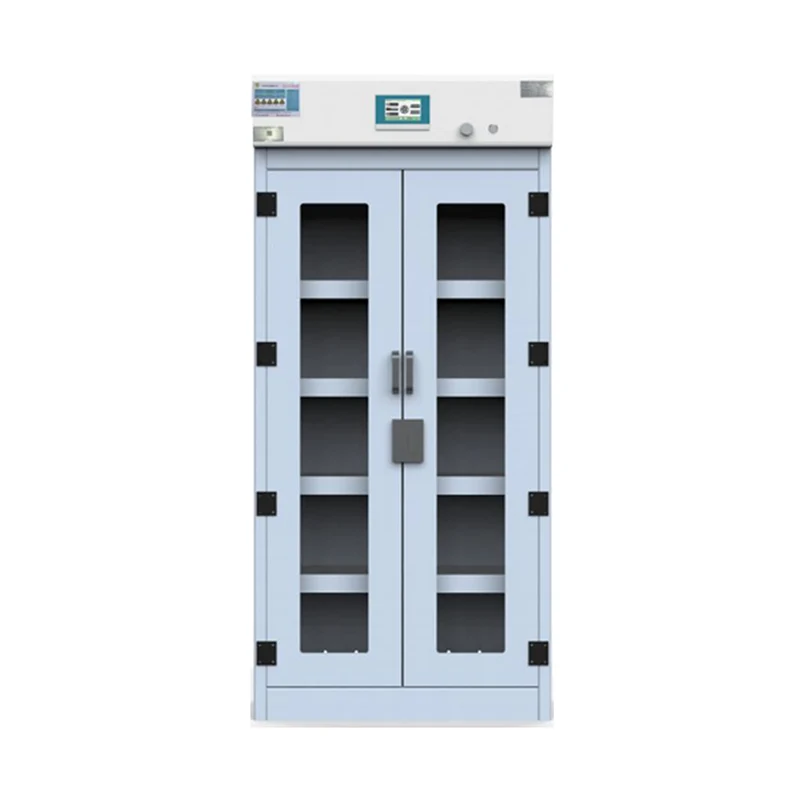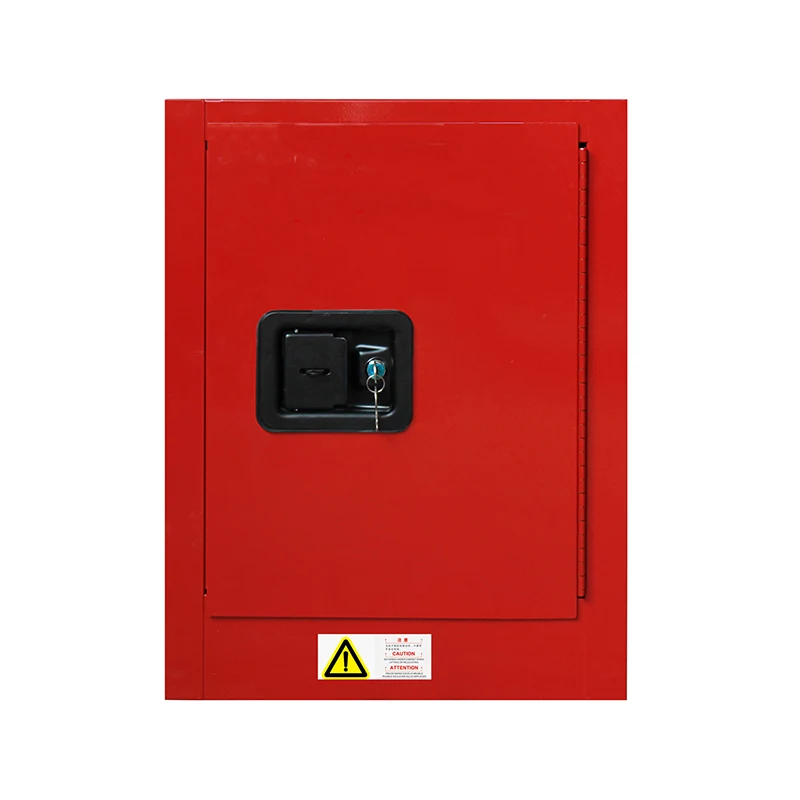

In industries such as chemical processing, laboratories, coating applications, and lithium-ion battery manufacturing where flammable materials are stored, flammable safety cabinets are an indispensable safety defense. However, many users question the necessity of the adjustable valves installed on the upper and diagonally opposite lower vents—why not just leave the vents open permanently for simplicity?
The answer is unequivocal: these valved vents represent a core safety design of flammable safety cabinets, far from being optional "decorations." Engineered around the inherent hazards of flammable liquids—high volatility, vapor accumulation, and flammability/explosivity upon ignition—this controlled cross-ventilation system fundamentally mitigates explosion risks while meeting multiple safety and regulatory requirements. The valve's ability to open, close, and adjust airflow is precisely what distinguishes it from non-valved, fixed ventilation.

Today, we break down the 5 core functions of these small vent valves and the key principles for their daily use. Understanding them is essential to maximizing the safety performance of your flammable safety cabinet!
The greatest risk posed by flammable liquids is that their volatile vapors can reach explosive concentrations, igniting upon contact with open flames, static sparks, or other ignition sources. Unvalved, open vents allow an unrestricted influx of oxygen-rich ambient air, elevating internal oxygen levels and creating a pathway for external ignition sources (flames, sparks) to enter the cabinet—essentially fueling a potential explosion.
With adjustable valves, airflow can be precisely regulated:
· Slightly open during normal storage to maintain minimal ventilation
· Fully open during dispensing to enhance vapor removal
This controlled approach ensures essential ventilation while preventing excessive oxygen intake and the intrusion of ignition sources, drastically reducing the risk of combustion and explosion at the source.
Flammable liquids continuously emit vapors, and most of these vapors are denser than air, tending to accumulate in the lower regions of the cabinet—precisely where the lower diagonal vents are located. The upper vents draw in fresh air, while the lower vents expel concentrated flammable vapors, creating a natural cross-flow that rapidly exhausts hazardous vapors to the exterior, maintaining vapor concentrations within the cabinet well below the lower explosive limit (LEL).
The valve transforms this "passive cross-flow" into an "active, controlled process": preventing vapor buildup from insufficient ventilation and avoiding secondary hazards caused by excessive airflow, ensuring safe and efficient vapor dispersion.
Most safety cabinet vent valves feature a louvered design with a closable plate, forming a complete seal when shut. This creates a robust protective barrier:
· Externally, it blocks dust, moisture, insects, and debris from contaminating stored flammables, while preventing sparks, static electricity, and corrosive fumes from contacting hazardous contents.
· Internally, it shields the cabinet from moisture and corrosive gas damage, extending service life and preserving optimal protective performance.
While safety cabinets are equipped with leak-proof sumps to contain minor spills, leaked liquids continue to emit vapors. Rapid vapor diffusion into the workspace escalates the area explosion risk; in the event of a small internal fire, a continuous oxygen supply will accelerate flame spread.
Closing the valves during emergencies is a critical action:
· It creates a semi-sealed compartment, confining flammable vapors within the cabinet and preventing risk escalation.
· It reduces internal oxygen supply, exerting a smothering effect to suppress fire growth, buying precious time for personnel to deploy fire extinguishers, initiate evacuation, or perform other emergency responses.
Valved, closable vents are a non-negotiable regulatory requirement for flammable safety cabinets, for both domestic sales and export.
· International standards: NFPA 30 (Flammable and Combustible Liquids Code) and OSHA 29 CFR 1910.106 (Hazardous Materials) explicitly mandate closable valves or adjustable devices on vents.
· Domestic standards: GB 17914 (Technical Conditions for Storage and Maintenance of Flammable and Explosive Goods) enforces this as a mandatory clause.
Cabinets with non-valved ventilation fail safety and fire inspections, violate export compliance requirements, and are classified as non-compliant, unsafe products prohibited from use.
To maximize safety, follow these simple, actionable rules:
✅ Normal Storage: Keep valves slightly open to maintain gentle cross-flow, continuously dispersing vapors and preventing accumulation.
✅ Dispensing/Cleaning: Fully open valves when handling flammables, cleaning the cabinet interior, or detecting elevated vapor concentrations to maximize ventilation efficiency.
✅ Emergency Situations: Immediately close all valves upon liquid spills or internal fires to cut off oxygen, contain vapors, and activate emergency containment.
A seemingly minor component, the vent valve is a critical safeguard in flammable material storage. Every design element is purpose-built to address the unique hazards of flammables, covering daily protection, emergency response, functional ventilation, and regulatory compliance.
Mastering the function and operation of these valves is not only a requirement for effective on-site safety management but also a fundamental responsibility to protect every worker. Safety is in the details—understanding these critical design features is the first step in building a robust line of defense for industrial safety.