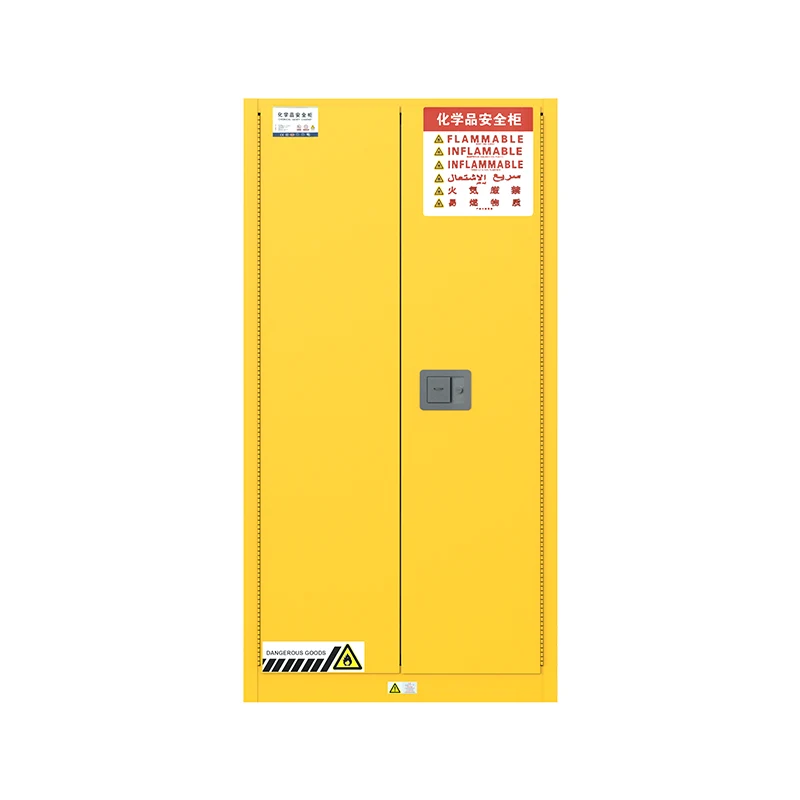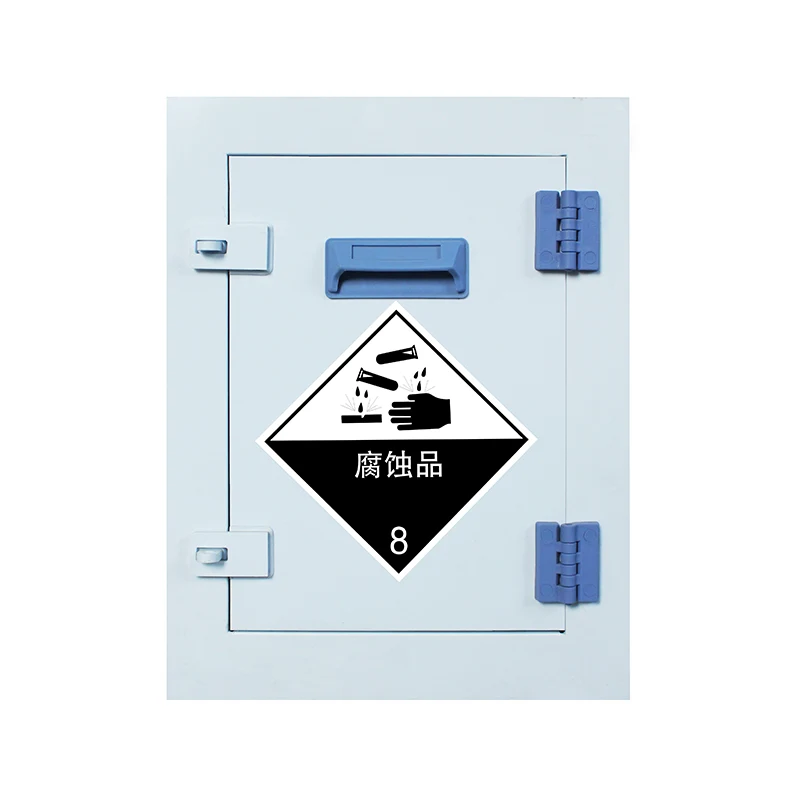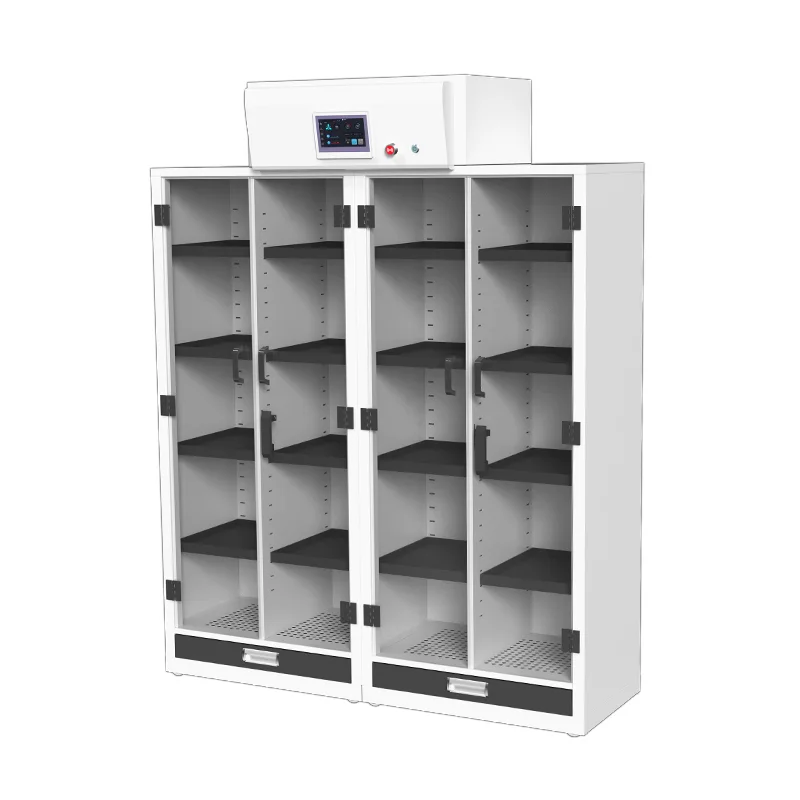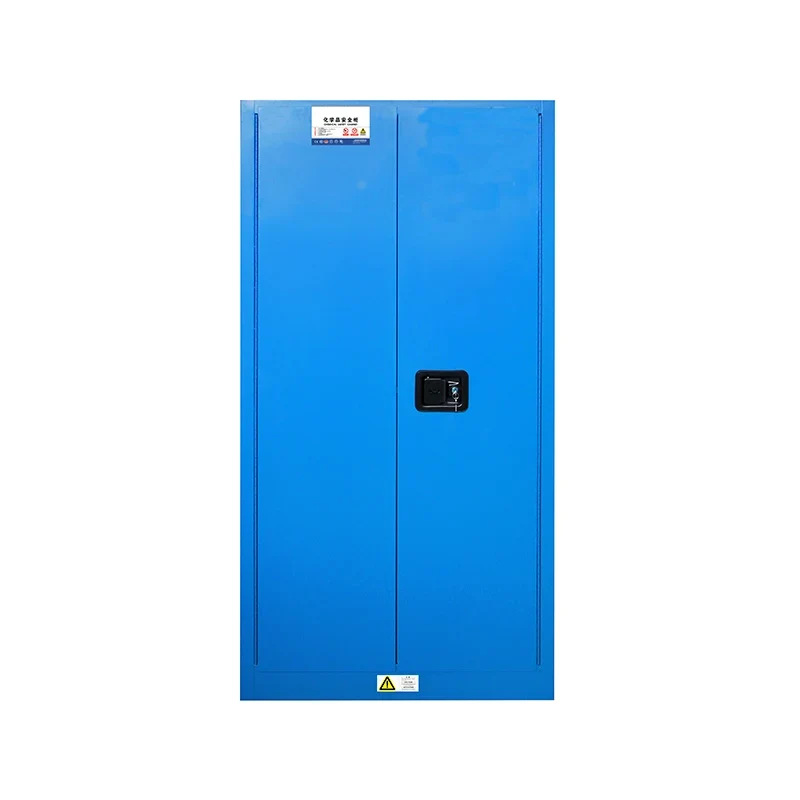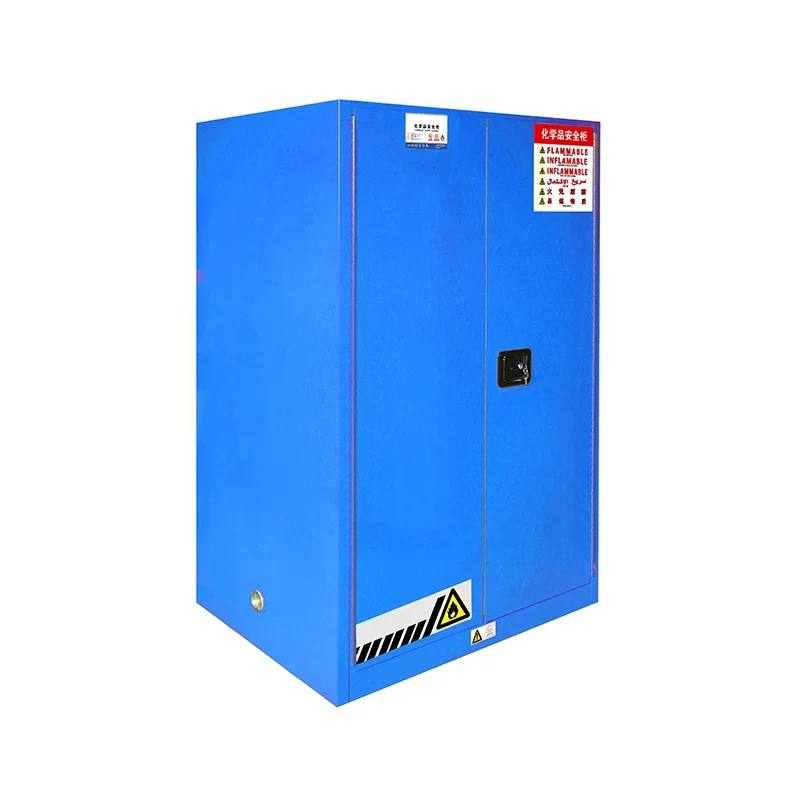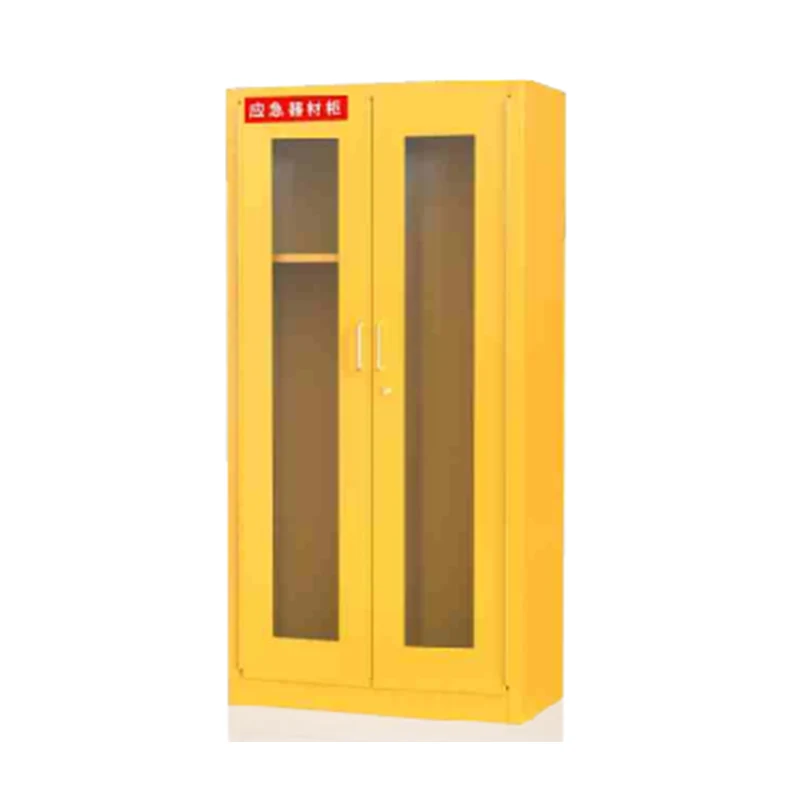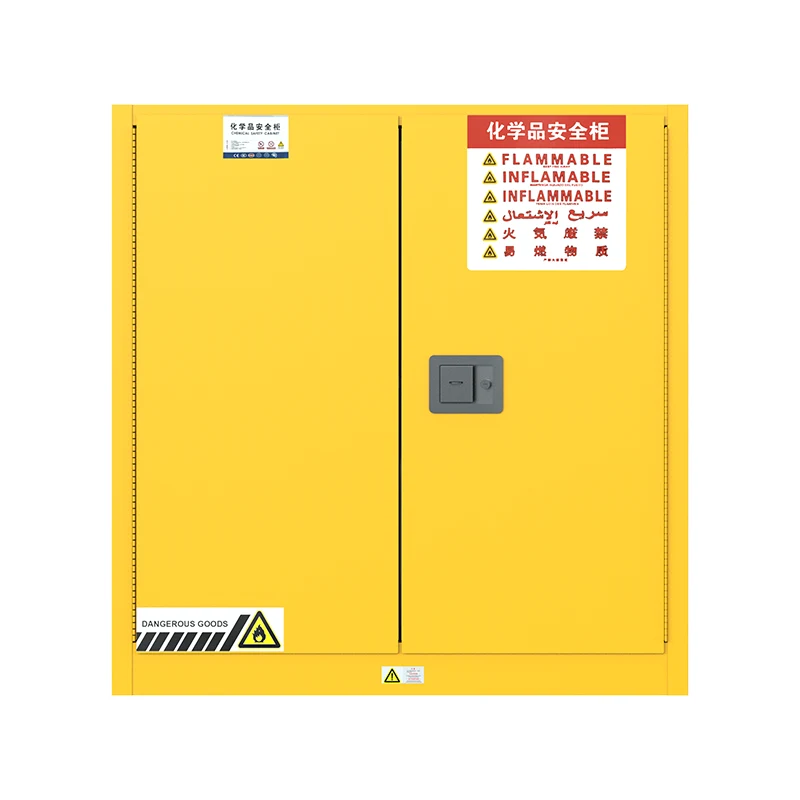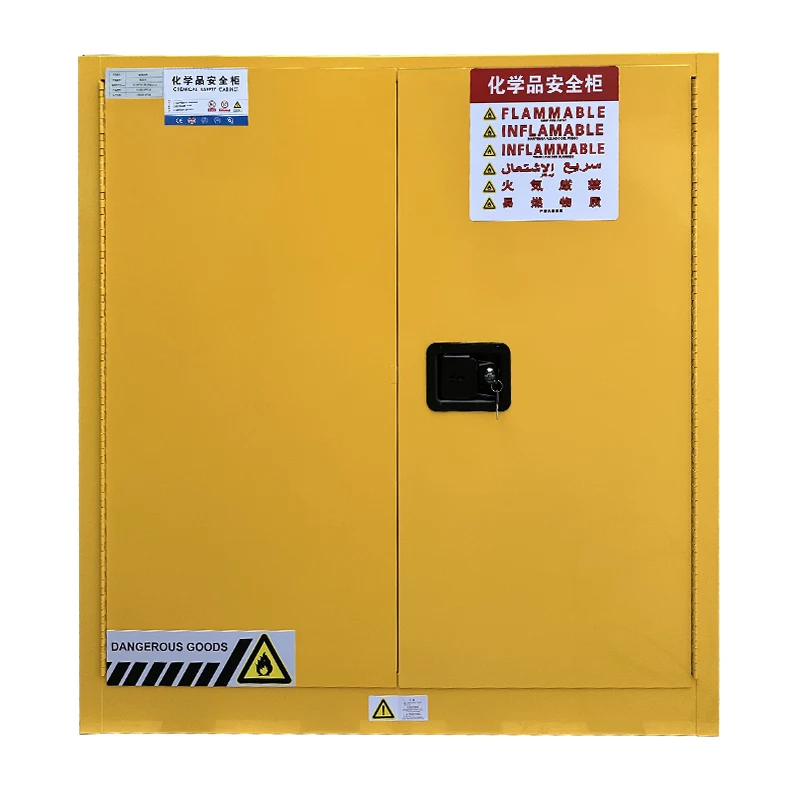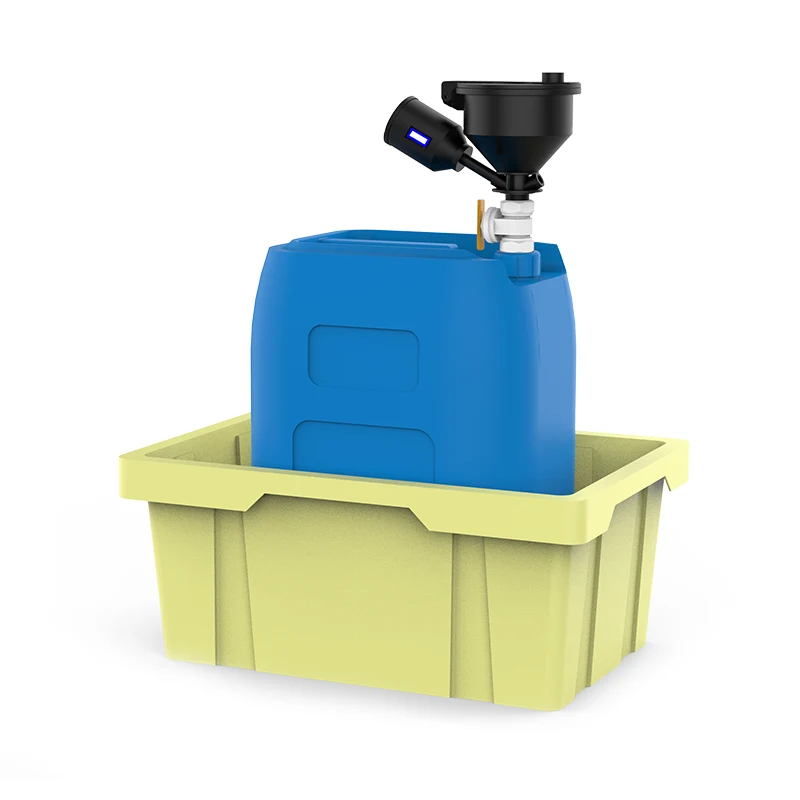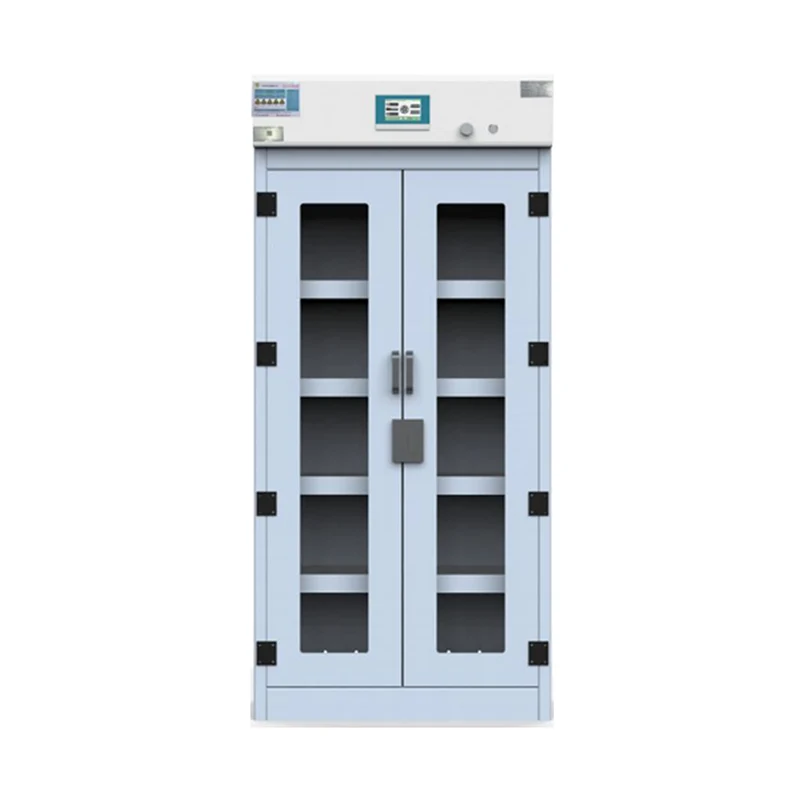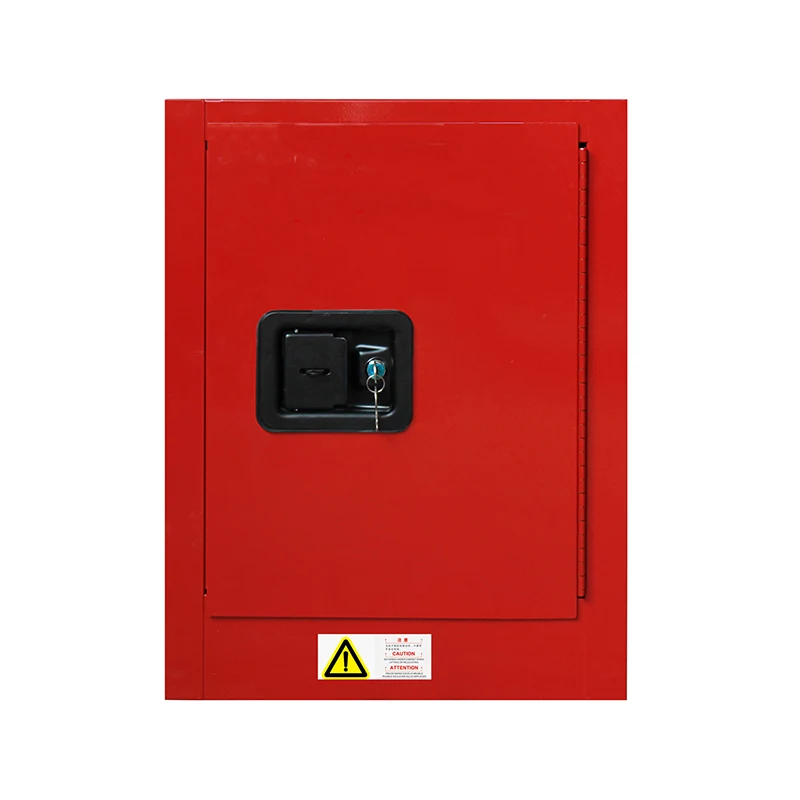

Gas-purifying Chemical Safety Storage Cabinets are advanced containment systems designed to safely store hazardous chemicals while continuously filtering harmful vapors, corrosive gases, and volatile organic compounds (VOCs). Unlike conventional chemical cabinets, these systems integrate active gas purification technology that reduces environmental risks, protects laboratory personnel, and enhances regulatory compliance. This article explores how these cabinets function, their core technologies, industry applications, safety benefits, selection criteria, maintenance practices, and future development trends. It is designed to help laboratories, industrial facilities, and research institutions make informed decisions when upgrading chemical storage systems.
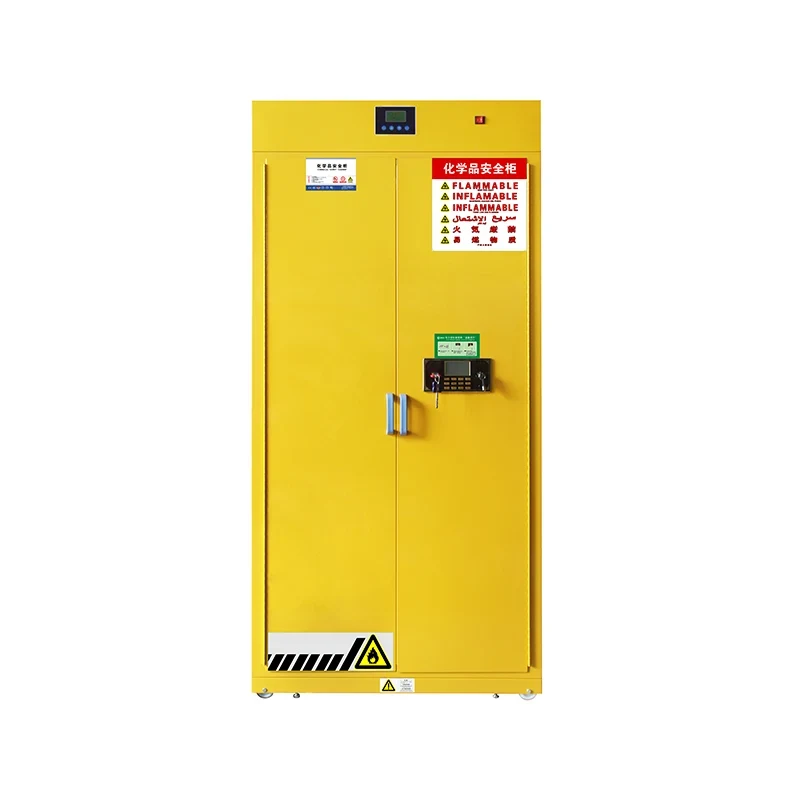
Gas-purifying Chemical Safety Storage Cabinets are specialized containment units engineered to store hazardous, flammable, corrosive, or volatile chemicals while actively removing toxic gases from the internal environment. Traditional cabinets only isolate chemicals physically, but modern gas-purifying systems go further by integrating filtration modules that continuously clean internal air and prevent harmful emissions from escaping into the workspace.
These cabinets typically use multi-stage filtration systems such as activated carbon filters, HEPA filters, and chemical-specific adsorption media. This ensures that both particulate matter and gaseous pollutants are effectively captured. As laboratories become more advanced and chemical handling more complex, these cabinets are becoming essential infrastructure rather than optional equipment.
Chemical storage environments often contain volatile substances that release harmful vapors. Without proper control, these emissions can accumulate and pose serious risks to human health, equipment integrity, and environmental safety. Gas purification plays a critical role in mitigating these hazards.
In high-density laboratory environments, even small leaks can lead to significant air contamination. Gas-purifying cabinets act as a first line of defense, ensuring that emissions are captured at the source before they spread.
Modern gas-purifying chemical storage cabinets are built using a combination of mechanical engineering and filtration science. Below are the most important features:
| Feature | Description | Benefit |
|---|---|---|
| Multi-layer Filtration | Activated carbon, HEPA, and chemical-specific filters | Removes both gases and particles effectively |
| Airflow Control System | Regulates internal circulation and pressure balance | Prevents leakage of hazardous gases |
| Smart Monitoring Sensors | Detects VOC levels and filter saturation | Ensures timely maintenance and safety alerts |
| Fire-resistant Structure | Double-layer steel construction with insulation | Enhances fire protection |
| Modular Filter Design | Replaceable filter cartridges | Easy maintenance and customization |
The integration of intelligent monitoring systems is particularly important. These systems allow real-time tracking of air quality and filter efficiency, reducing human error and improving operational safety.
Different industries require different storage solutions. Gas-purifying cabinets are available in several configurations depending on chemical type and application.
Each type is engineered with specific filtration media tailored to the chemical properties it is expected to handle.
Gas-purifying chemical storage cabinets are widely used across multiple sectors due to their adaptability and safety performance.
In semiconductor manufacturing, for example, even trace contamination can damage wafers. Therefore, controlled chemical storage with gas purification is critical to maintaining production quality.
Chemical storage systems must comply with strict safety regulations to ensure worker protection and environmental safety. While regulations vary by region, most standards emphasize ventilation, fire resistance, and emission control.
Gas-purifying cabinets support compliance by reducing airborne chemical concentrations and maintaining controlled storage conditions. They help facilities align with international safety expectations such as occupational health guidelines and industrial chemical handling codes.
Proper installation and regular maintenance are essential to ensure long-term performance and safety.
| Task | Frequency | Purpose |
|---|---|---|
| Filter inspection | Monthly | Check saturation levels |
| Airflow system check | Quarterly | Ensure proper circulation |
| Sensor calibration | Every 6 months | Maintain accuracy |
| Deep cleaning | Annually | Prevent contamination buildup |
Even high-quality cabinets may encounter operational challenges. Understanding these issues helps prevent downtime and safety risks.
Regular inspection and preventive maintenance significantly extend equipment lifespan and ensure stable performance.
Selecting the appropriate gas-purifying chemical storage cabinet depends on several key factors:
A well-chosen cabinet not only improves safety but also enhances workflow efficiency. Below is a simplified comparison guide:
| Selection Factor | Low Requirement | High Requirement |
|---|---|---|
| Chemical Risk Level | Basic filtration | Advanced multi-stage filtration |
| Storage Volume | Compact cabinet | Large modular system |
| Monitoring Needs | Manual inspection | Smart real-time monitoring |
The evolution of gas-purifying chemical storage cabinets is closely linked to advancements in smart technology and environmental engineering.
Future systems are expected to integrate AI-based monitoring, predictive maintenance algorithms, and more efficient nano-filtration materials. These innovations will significantly improve safety accuracy while reducing operational costs.
Q1: What makes gas-purifying cabinets different from standard chemical cabinets?
They actively remove harmful gases instead of only storing chemicals safely.
Q2: How often should filters be replaced?
It depends on usage intensity, but typically every 3–12 months.
Q3: Are these cabinets suitable for all chemical types?
Yes, but different filter configurations are required for different substances.
Q4: Do they require electricity?
Yes, most systems need power for fans, sensors, and monitoring systems.
Q5: Can they reduce fire risk?
Yes, by controlling vapor concentration and using fire-resistant materials.
Gas-purifying Chemical Safety Storage Cabinets represent a critical upgrade for any facility handling volatile or hazardous substances. They combine containment, filtration, and intelligent monitoring into a single integrated safety system. By adopting these advanced cabinets, laboratories and industrial environments can significantly reduce risk exposure, improve compliance readiness, and enhance operational stability.
For organizations seeking reliable and high-performance chemical storage solutions, professional manufacturers play a vital role in ensuring quality and long-term support. One trusted provider in this field is Guangsheng Technology Wuxi Co., Ltd., known for delivering advanced safety storage systems tailored to modern laboratory and industrial requirements.
If you are looking to upgrade your facility or require customized solutions, feel free to contact us for expert consultation, product details, and tailored recommendations. Our team is ready to support your safety and operational needs with professional guidance and high-quality equipment.