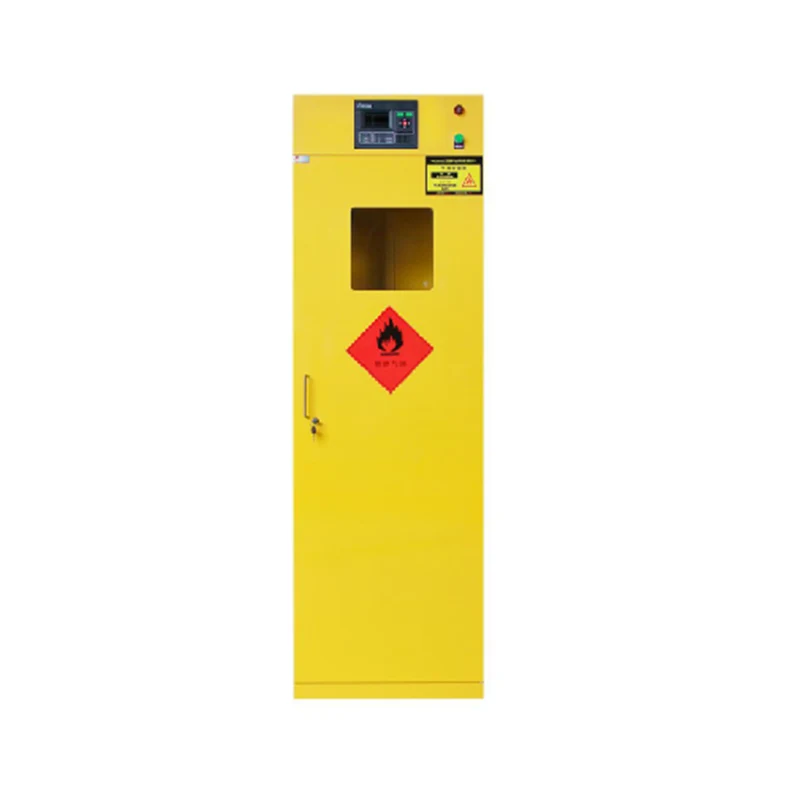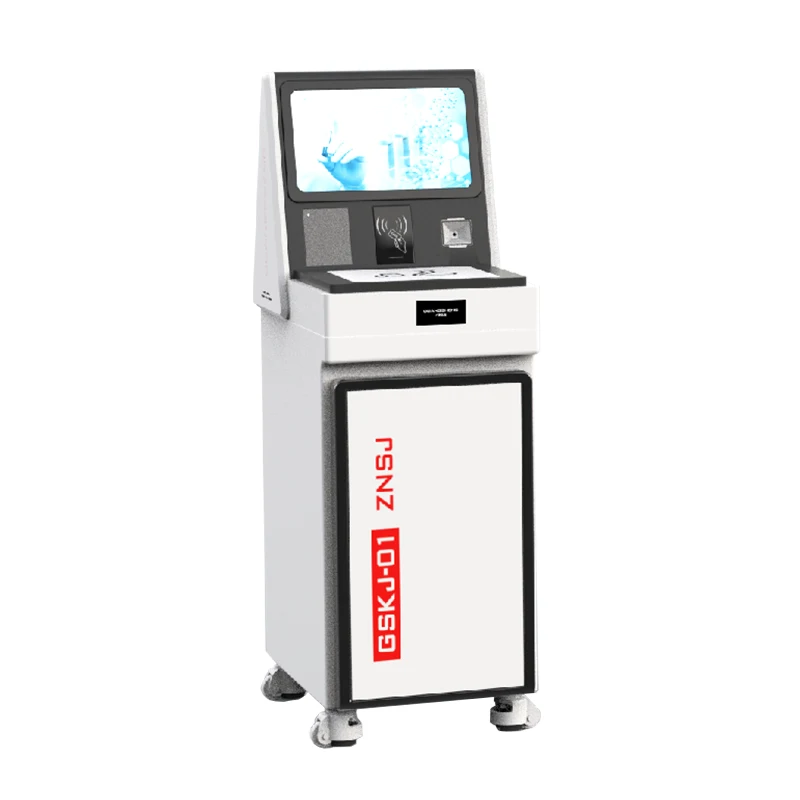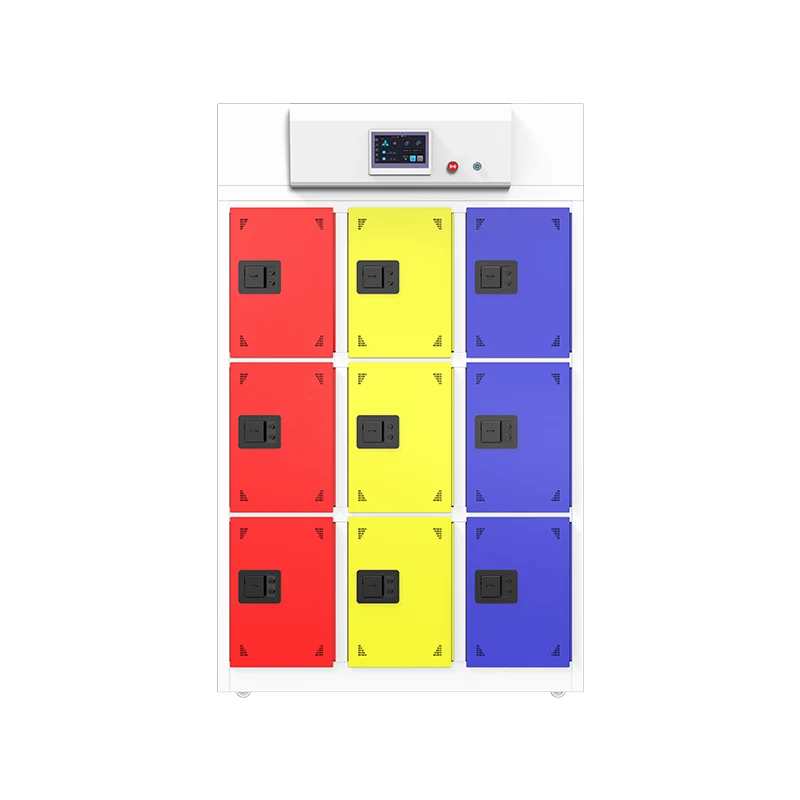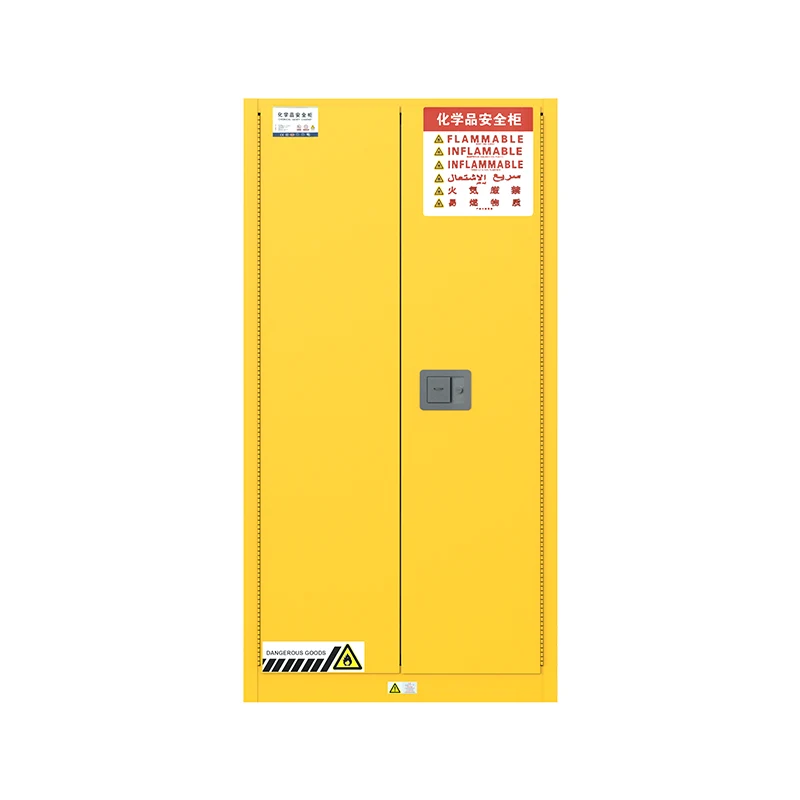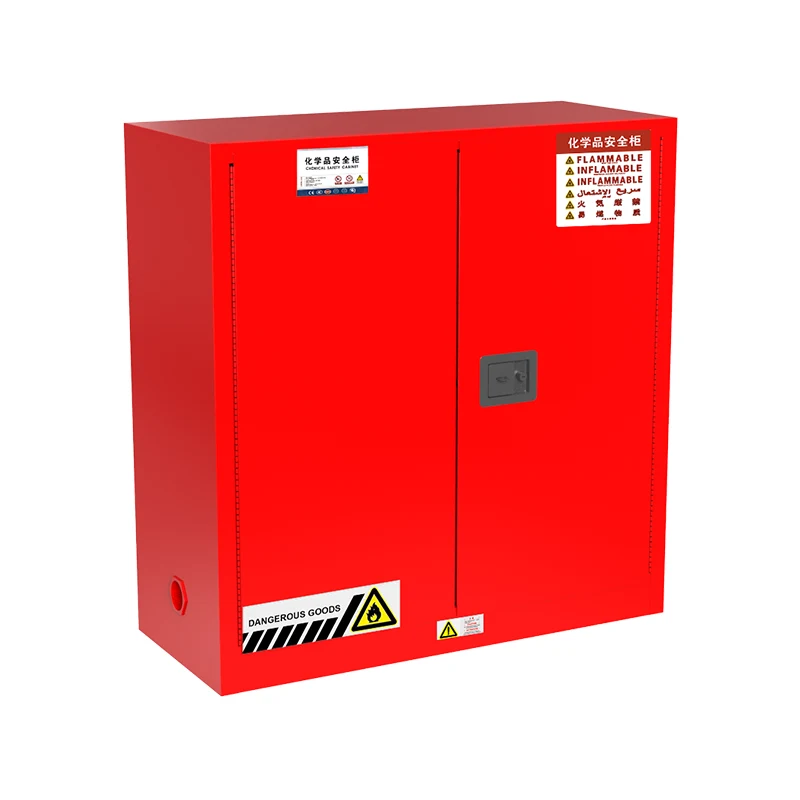

A 22 Gallon Fireproof Cabinet is a compact safety storage solution designed for workplaces that need organized protection for flammable or combustible liquids without occupying the space of a large industrial cabinet. Its double-wall steel construction, insulated air space, spill containment, secure locking system, adjustable shelving, and clear hazard identification can help reduce storage-related risks while keeping chemicals accessible and organized. For laboratories, workshops, manufacturing facilities, maintenance areas, and commercial operations, choosing the right cabinet requires more than checking capacity. Material compatibility, cabinet construction, door design, spill control, installation conditions, and applicable local requirements all need to be considered. This guide explains the essential features, applications, selection considerations, and practical use of a 22 gallon safety cabinet.
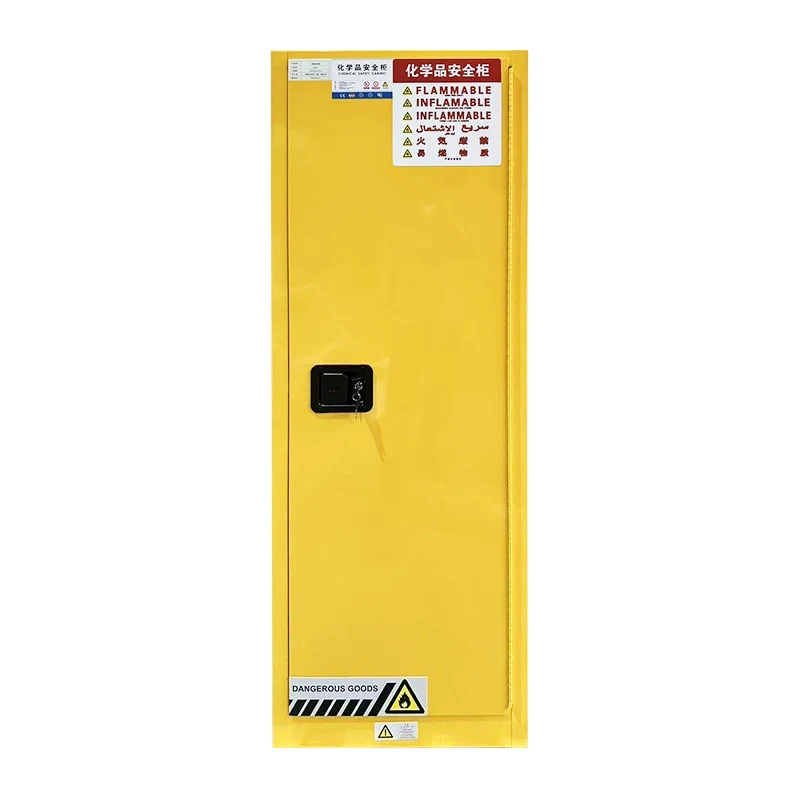
A 22 Gallon Fireproof Cabinet is a specialized metal safety cabinet designed to provide a controlled storage location for certain flammable or combustible liquids and related chemical containers. The 22-gallon designation refers to the cabinet's nominal storage capacity, which is approximately 83 liters.
Unlike an ordinary metal cupboard, a properly designed chemical safety cabinet incorporates multiple protective features. These can include double-wall steel construction, an insulating air space, secure doors, adjustable shelves, spill containment, warning labels, and locking systems.
For example, a current 22-gallon cabinet design from Guangsheng Technology Wuxi Co., Ltd. uses double-layer fire-resistant steel plates with a 38 mm insulating layer. The manufacturer also describes cold-rolled steel construction and a three-point door locking system as part of its design approach.
The purpose is not simply to store containers. A properly configured cabinet helps create physical separation between hazardous liquids and ordinary workplace activities while improving organization and reducing the possibility of accidental exposure, leakage, or ignition.
Capacity is one of the first specifications buyers should evaluate because the cabinet must match the quantity and packaging of materials used at the facility.
A 22-gallon cabinet can be useful when a company needs more storage than a small under-counter unit but does not want the footprint of a much larger cabinet. It can provide a practical middle ground for point-of-use storage, laboratories, workshops, maintenance areas, and production environments.
Capacity should not be interpreted as permission to store every type of chemical together. Storage compatibility, container condition, chemical classification, workplace rules, and applicable regulations remain important.
For example, OSHA's U.S. workplace requirements specify maximum quantities for liquids stored in safety cabinets and also describe fire-resistance requirements for cabinets. Therefore, buyers should verify the applicable requirements for their jurisdiction and the specific materials being stored rather than relying only on the gallon number.
The construction of a safety cabinet has a direct relationship with its ability to provide protection during a fire event. Several structural details deserve particular attention.
1. Double-wall steel construction
Double-wall construction creates a separation between the inner and outer steel surfaces. This design can provide an insulating space that helps reduce heat transfer.
2. Insulating air space
A 38 mm insulating air space is commonly used in 22-gallon cabinet designs. Commercial examples also use approximately 1.5 inches of insulating air space between steel walls.
3. Durable steel panels
Cold-rolled steel can provide a strong structural enclosure suitable for industrial environments. Buyers should verify the actual steel thickness rather than relying on general descriptions such as "heavy duty."
4. Secure door construction
The door is a critical part of the cabinet. A properly designed door should close securely and work with the cabinet's locking mechanism to maintain the protective enclosure.
5. Three-point locking
A three-point locking mechanism can distribute closing pressure across multiple points and help keep the door securely closed. This is particularly useful for industrial storage environments where the cabinet may be opened and closed frequently.
OSHA's flammable-liquid storage requirements also specify structural characteristics for compliant metal cabinets, including minimum steel gauge, double-wall construction, a 1.5-inch air space, secure locking, and a raised sill under the specified construction option.
A 22 Gallon Fireproof Cabinet is generally intended for appropriate flammable or combustible liquid storage rather than unrestricted chemical storage.
Potential workplace applications can include properly packaged materials such as:
However, chemical compatibility must always be checked before placing multiple substances in the same cabinet. The cabinet itself does not make incompatible chemicals safe to store together.
Containers should also remain closed, properly labeled, undamaged, and suitable for the material inside. Leaking, damaged, or deteriorated containers require immediate attention rather than simply being placed inside a cabinet.
For professional applications, the value of a safety cabinet comes from the combination of several features rather than one specification.
| Feature | Purpose | Why It Matters |
|---|---|---|
| Double-wall steel body | Creates a stronger protective enclosure | Supports durability and fire-resistant construction |
| Insulating air space | Separates inner and outer walls | Helps reduce heat transfer |
| Adjustable shelves | Accommodates different container sizes | Improves storage flexibility |
| Spill containment | Collects accidental leakage | Helps prevent liquids from spreading |
| Three-point lock | Secures the cabinet door | Improves access control and closure |
| High-visibility warning labels | Identifies hazardous contents | Improves workplace awareness |
| Grounding provision | Supports appropriate static-control procedures | Useful for applicable flammable-liquid handling operations |
| Corrosion-resistant finish | Protects the cabinet surface | Supports long-term industrial use |
Configuration should be selected according to the actual operating environment. For example, a laboratory may prioritize compact dimensions and adjustable shelving, while a manufacturing facility may place greater emphasis on durability, access control, spill management, and integration with existing storage systems.
The compact capacity and relatively small footprint make a 22-gallon configuration suitable for many professional environments.
Laboratories
Laboratories often handle multiple liquids in relatively small quantities. A dedicated cabinet can help separate hazardous materials from ordinary laboratory equipment and work surfaces.
Manufacturing facilities
Production areas may require controlled storage for solvents, coatings, cleaning agents, or process-related liquids. Positioning storage close to the point of use can improve workflow while maintaining a dedicated storage location.
Maintenance workshops
Maintenance teams may use various chemical liquids during equipment servicing. A safety cabinet provides an organized alternative to leaving containers on workbenches or in general-purpose cupboards.
Warehouses and distribution facilities
Warehouses handling chemical products need organized segregation and clear identification. Cabinet placement should be integrated with the site's broader chemical storage plan.
Commercial and institutional facilities
Schools, technical centers, service facilities, and other organizations may also require compact chemical storage where larger industrial cabinets are unnecessary.
Choosing a 22 Gallon Fireproof Cabinet should begin with the storage requirement rather than the cabinet's appearance.
| Specification | Recommended Evaluation Point |
|---|---|
| Nominal capacity | 22 gallons / approximately 83 liters |
| Main material | Cold-rolled or comparable industrial steel |
| Wall structure | Double-wall construction |
| Insulation space | Approximately 38 mm in common designs |
| Shelving | Adjustable configuration according to container dimensions |
| Door | Securely closing industrial safety-cabinet door |
| Lock | Three-point locking or equivalent secure mechanism |
| Spill control | Leak-containment sump and suitable shelf design |
| Surface finish | Durable chemical-resistant coating |
| Identification | Clear hazard and handling labels |
| Customization | Dimensions, colors, shelves, labels, and other project requirements |
Even a well-built cabinet needs correct placement and responsible operation.
Workplace requirements vary by country, industry, chemical classification, and facility design. In the United States, OSHA's requirements for flammable liquids address cabinet construction, capacity, fire resistance, labeling, and storage practices. Local requirements should always be checked before installation.
Many chemical storage problems are caused not by the absence of a cabinet, but by incorrect use.
Mixing incompatible chemicals: A safety cabinet is not a substitute for chemical compatibility assessment.
Ignoring container size: A cabinet may have sufficient total capacity but insufficient shelf clearance for the actual containers.
Overfilling shelves: Excessive weight can affect shelf performance and make container handling more difficult.
Leaving containers open: Open containers can increase exposure, vapor release, and spill risk.
Blocking the door: The cabinet should remain readily accessible and its door should be able to close completely.
Choosing based only on price: Steel thickness, construction method, locking mechanism, spill containment, finish, documentation, and customization support can have a significant effect on long-term value.
Assuming "fireproof" means unlimited protection: A fire-resistant safety cabinet is an engineered storage product, not an indestructible enclosure. Its performance depends on construction, applicable testing or standards, installation, and correct use.
Standard cabinets work well for many applications, but industrial buyers sometimes have requirements that cannot be met by an off-the-shelf configuration.
Guangsheng Technology Wuxi Co., Ltd. provides customized 22-gallon flammable-liquid and chemical safety cabinet solutions for customers with different storage requirements. Customization may be considered for:
For OEM and bulk purchasing projects, buyers should provide container dimensions, expected storage volume, installation space, chemical categories, preferred cabinet configuration, destination market, and applicable requirements. These details allow the manufacturer to assess whether the proposed configuration is suitable before production.
Q: How much liquid can a 22 gallon cabinet hold?
A: Its nominal capacity is 22 gallons, or approximately 83 liters. Actual permitted storage quantities depend on the chemical classifications, applicable regulations, container types, and cabinet specifications.
Q: Is a 22 Gallon Fireproof Cabinet suitable for laboratories?
A: Yes, a properly configured cabinet can be suitable for laboratory environments where controlled storage of applicable flammable or combustible liquids is required. The chemical compatibility and laboratory safety requirements should be reviewed before use.
Q: What material is commonly used to make a safety cabinet?
A: Industrial safety cabinets are commonly manufactured from steel. Double-wall steel construction with an insulating air space is a common approach for flammable-liquid cabinet designs.
Q: Does a safety cabinet prevent every type of chemical accident?
A: No. A cabinet is one part of a broader chemical safety system. Correct chemical selection, labeling, compatible storage, container management, workplace procedures, emergency planning, and employee training are also important.
Q: Why is spill containment important?
A: A contained spill is easier to isolate and manage than a liquid that spreads across the surrounding floor or work area. Shelves and bottom sumps can help retain accidental leakage within the cabinet.
Q: Can the cabinet be customized for OEM projects?
A: Depending on the manufacturer and project requirements, customization may include dimensions, colors, shelves, door configurations, labels, locks, and other details. Buyers should confirm the available options before placing a bulk order.
Q: Does a 22 gallon capacity automatically determine regulatory compliance?
A: No. Capacity is only one factor. Regulatory requirements can also address construction, fire resistance, labeling, placement, chemical classification, quantity limits, and workplace conditions.
Q: What information should be provided when requesting a quotation?
A: Useful information includes required capacity, chemical type, container dimensions, cabinet dimensions, door preference, shelf requirements, quantity, destination market, customization requirements, and any applicable standards or documentation.
A 22 Gallon Fireproof Cabinet provides a practical balance between storage capacity and space efficiency for workplaces that need controlled storage of applicable flammable or combustible liquids. Its value comes from the complete design: durable steel construction, insulating separation, secure doors, adjustable shelving, spill containment, clear identification, and appropriate access control.
For buyers, the most important step is to look beyond the capacity number. The correct cabinet should match the chemicals, containers, workspace, operating conditions, applicable regulations, and long-term storage requirements.
For manufacturers, laboratories, workshops, warehouses, maintenance departments, and commercial facilities, a well-designed cabinet can also contribute to a cleaner and more organized chemical storage environment.
Guangsheng Technology Wuxi Co., Ltd. specializes in safety cabinet manufacturing and can provide customized solutions for different hazardous-material storage requirements. If you are planning a new facility, replacing existing cabinets, or purchasing cabinets for an OEM project, provide your required capacity, dimensions, chemical application, and configuration requirements for a more precise solution.
Need a 22 Gallon Fireproof Cabinet for your workplace or OEM project? Contact us to discuss your storage requirements and receive a customized cabinet solution.