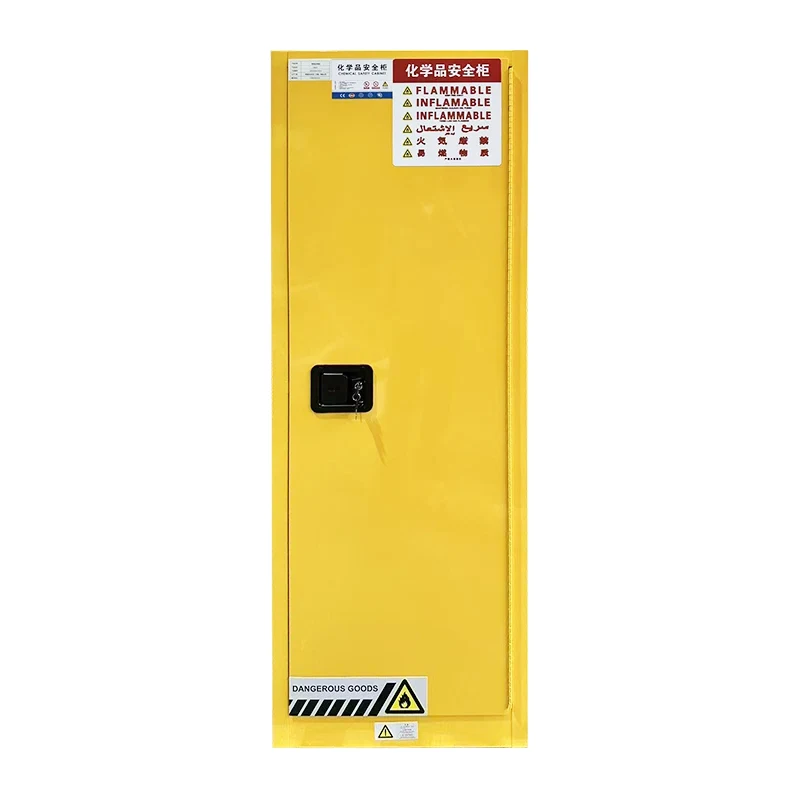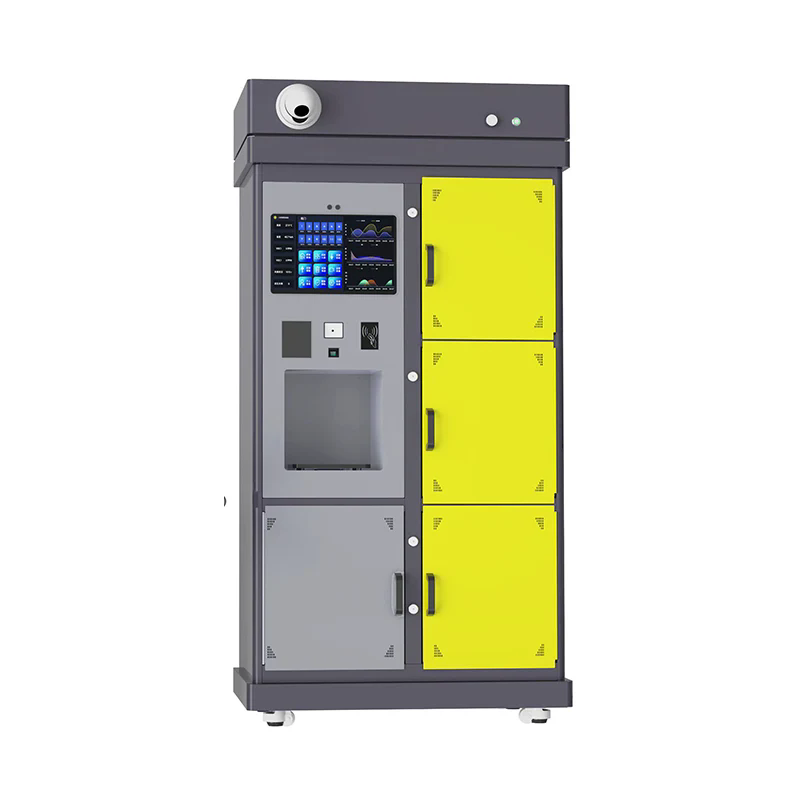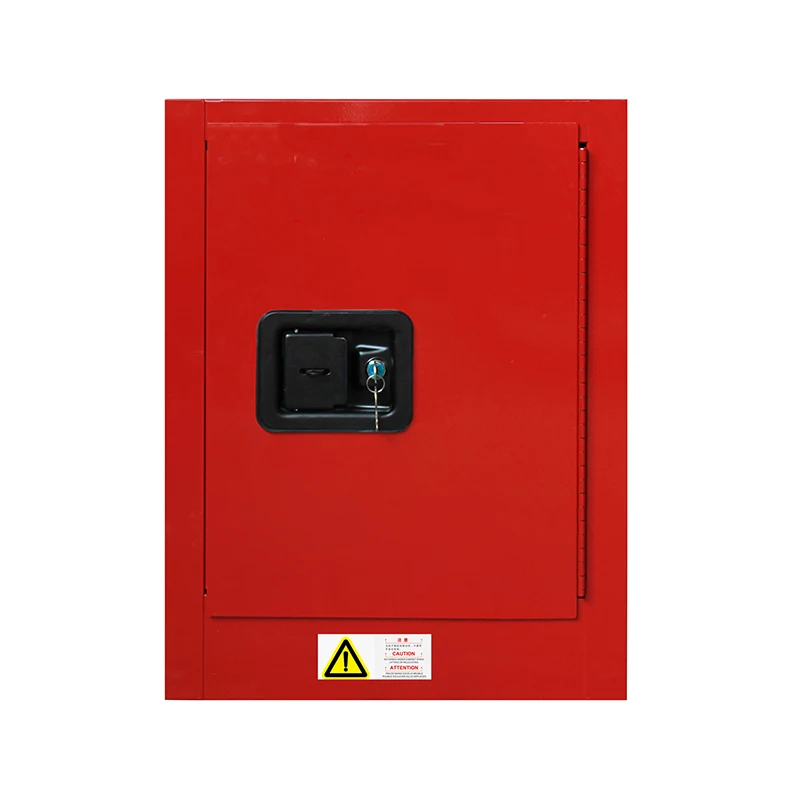

Safe chemical storage is an essential part of laboratory management, industrial production, facility maintenance, and environmental protection. Flammable liquids and other hazardous substances require suitable storage arrangements to reduce fire risks, prevent accidental exposure, and support effective emergency management. A 30 Gallon Fireproof Cabinet can be part of a practical storage strategy when its capacity, fire-resistance performance, and intended application match the materials being handled.
As industrial facilities face increasing expectations for workplace safety and environmental responsibility, chemical storage has become more than a matter of allocating space. Storage equipment must support safe handling procedures, appropriate segregation, routine inspections, and the controlled collection of hazardous waste. Selecting suitable cabinets and establishing consistent operating procedures can help organizations manage these responsibilities more effectively.
This article examines the role of fire-resistant storage equipment, the factors that influence cabinet selection, and the practices that support safer chemical management across different working environments.
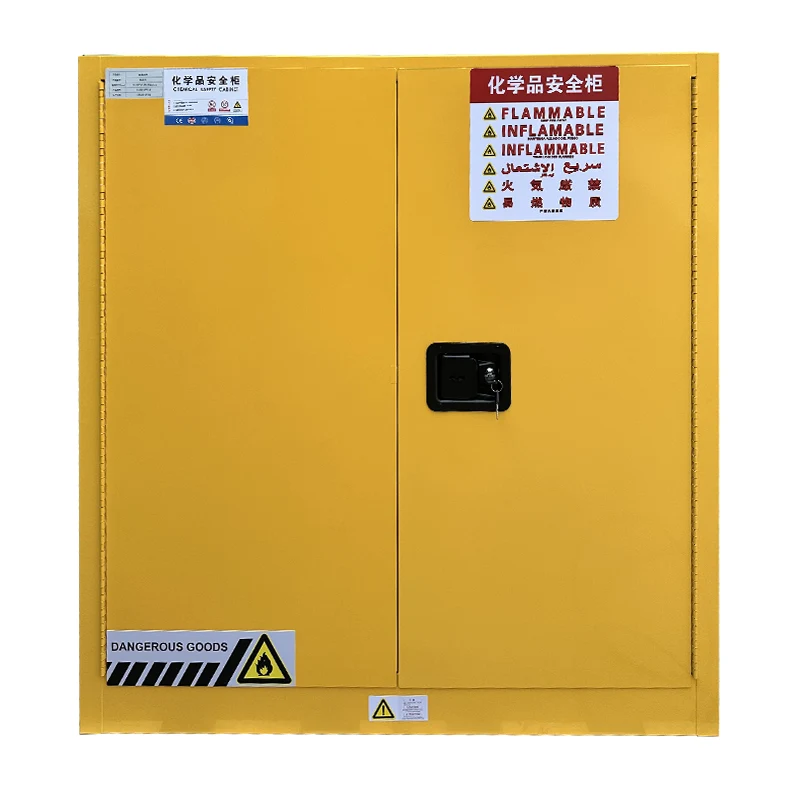
Chemical storage affects fire prevention, employee safety, environmental protection, and the continuity of industrial operations. When hazardous materials are stored without adequate controls, even a small incident can develop into a serious operational problem. Leaking containers, incompatible substances, ignition sources, and poorly organized storage areas can create risks that extend beyond the immediate storage location.
Flammable liquids can release vapors that ignite when they encounter suitable ignition sources. The severity of a fire depends on factors such as the substance involved, the quantity stored, ventilation conditions, container integrity, and the effectiveness of existing protective measures. Appropriate storage equipment helps establish a controlled environment for flammable materials and supports a broader fire prevention strategy.
Fire-resistant cabinets are designed to provide a level of protection under specified test conditions. Depending on their construction and certification, they may help delay heat transfer to stored materials and provide additional time for emergency response. However, a cabinet should never be treated as a substitute for fire prevention, suitable building protection, or established emergency procedures.
Facilities should evaluate storage arrangements according to the actual hazards present. This includes reviewing the chemical properties of stored substances, identifying possible ignition sources, assessing surrounding operations, and determining whether the selected equipment is appropriate for the intended application.
Storage safety also depends on preventing liquid releases and limiting unnecessary contact with hazardous substances. Damaged packaging, loose closures, deteriorated containers, and inappropriate handling can cause leaks that threaten employees, equipment, and the surrounding environment.
Suitable storage equipment can help organize containers and incorporate protective features intended to manage foreseeable storage hazards. Where liquid chemicals are involved, facilities should consider containment arrangements, compatible construction materials, accessible inspection areas, and procedures for responding to spills.
Employees should know how to identify damaged containers and report leaks without exposing themselves to unnecessary risks. Spill response equipment, personal protective equipment, and emergency instructions should be appropriate for the chemicals present and readily accessible under established site procedures.
Hazardous waste management requires attention throughout the collection, temporary storage, transfer, and disposal process. Waste liquids, contaminated materials, and chemical residues can cause environmental damage when containers fail or storage arrangements are inadequate.
Dedicated temporary storage equipment can help separate waste streams, maintain orderly collection areas, and reduce the likelihood of accidental releases. Clear identification and documented handling procedures also make it easier to distinguish different waste categories and coordinate subsequent collection by qualified service providers.
Organizations should ensure that temporary storage practices comply with applicable environmental requirements. The appropriate arrangement depends on the waste classification, chemical compatibility, container condition, storage duration, and local regulatory obligations.
Fire-resistant storage equipment is intended to support the controlled storage of materials that present specific fire hazards. Its effectiveness depends on the complete design, the quality of manufacturing, the suitability of the installation environment, and the way the equipment is used.
The cabinet enclosure, door assembly, joints, locking mechanism, and other structural components all contribute to its performance. Depending on the model, manufacturers may incorporate layered wall construction, reinforced doors, specialized seals, and other features designed to support fire resistance and reliable operation.
Construction details should be evaluated in relation to the intended application rather than appearance alone. A robust exterior does not automatically demonstrate a particular level of fire protection. Technical documentation and applicable test evidence are needed to establish the performance characteristics of the equipment.
For industrial facilities, material selection is also important. The cabinet must be suitable for the substances it is intended to contain, and its internal components should remain compatible with the relevant storage conditions. Where corrosive chemicals are involved, a conventional steel cabinet may not provide the appropriate level of chemical resistance without additional design considerations.
Storage equipment should allow authorized personnel to access materials while discouraging unauthorized handling. Door construction, locking arrangements, and the overall cabinet layout can influence how easily employees follow established storage procedures.
Clear labeling helps personnel identify the contents and associated hazards before opening a cabinet. Internal organization can also reduce unnecessary movement of containers and make routine inspections more efficient.
Access controls should be proportionate to the hazards involved. Facilities handling highly hazardous substances may require additional restrictions, controlled key management, or documented access procedures. These measures should be incorporated into the organization's wider chemical safety program.
Cabinet capacity influences how materials are organized and how efficiently storage space is used. A cabinet that is too small may encourage overcrowding, while an unnecessarily large unit may consume valuable floor space or complicate the layout of a work area.
When assessing a 30 Gallon Fireproof Cabinet, facility managers should consider the usable internal space, the dimensions of the containers, the quantity of material expected to be stored, and the need to maintain safe access. Nominal capacity alone does not establish how many containers can be accommodated.
Container shapes, shelving arrangements, secondary containment requirements, and manufacturer restrictions can all affect the practical storage capacity. Materials should never be forced into a cabinet simply because the combined container volume appears to fit within its stated capacity.
Choosing storage equipment should begin with a review of the materials, processes, and working conditions involved. This approach helps prevent mismatches between the cabinet's intended purpose and the hazards present at the installation site.
The first step is to establish exactly which substances will be stored. Safety data sheets provide essential information about flammability, chemical reactivity, health hazards, recommended storage conditions, and appropriate emergency measures.
Facilities should distinguish between flammable liquids, corrosive substances, toxic materials, reactive chemicals, and other hazardous categories. These materials do not necessarily share the same storage requirements, and a cabinet suitable for one category may be inappropriate for another.
Chemical compatibility deserves particular attention. Certain substances can react dangerously when they come into contact, including through accidental mixing caused by a leaking container. Storage arrangements should therefore follow documented compatibility assessments rather than relying only on labels or general hazard categories.
Storage demand should be evaluated using realistic operating conditions. Consider the typical quantity held on site, fluctuations in inventory, container sizes, and the frequency with which materials are received or removed.
It is also useful to distinguish between routine working stock and reserve inventory. Materials needed for immediate operations may require a different arrangement from supplies held for longer periods. Limiting unnecessary accumulation can reduce storage pressure and simplify inventory control.
Where a specific cabinet capacity is being considered, confirm that the internal configuration can accommodate the intended containers without obstructing doors, compromising containment, or exceeding the manufacturer's stated limitations.
The surrounding environment affects both safety and usability. Consider the cabinet's location relative to workstations, exits, heat sources, electrical equipment, circulation routes, and other storage areas.
The installation should not obstruct emergency access or create avoidable handling difficulties. The floor must be suitable for the equipment and its expected load, while the surrounding area should allow inspections, cleaning, and maintenance to be completed safely.
Ventilation requirements should be determined by the substances stored and the applicable equipment instructions. Adding an extraction system or modifying a cabinet without evaluating the design may affect its intended performance. Any ventilation arrangement should be assessed against the relevant fire safety requirements and manufacturer guidance.
Certification provides useful evidence when evaluating storage equipment, but each certificate must be interpreted according to its actual scope. A management system certificate, an electrical or material compliance certificate, and a product fire-resistance test report serve different purposes.
Before selecting a cabinet, review the applicable standards, test conditions, certification validity, and any restrictions associated with the product. Verify that the documentation applies to the specific model and configuration being supplied.
Where a facility operates under local fire codes or industry-specific requirements, technical suitability should be confirmed with the relevant safety personnel or qualified authorities. General product descriptions are not a substitute for a documented compliance assessment.
Different storage hazards require different protective approaches. Understanding the distinctions between common cabinet types can help facilities avoid using a general-purpose solution for a specialized application.
| Storage Solution | Primary Application | Key Considerations |
|---|---|---|
| Fire-resistant cabinet | Storage of suitable flammable materials | Verified fire performance, capacity, door design, and compatibility |
| Chemical safety cabinet | Organized storage of designated chemicals | Chemical compatibility, labeling, containment, and access control |
| Corrosive chemical cabinet | Storage of compatible acids or alkalis | Resistance to corrosion, material compatibility, and spill management |
| Toxic substance cabinet | Controlled storage of designated toxic materials | Security, identification, exposure prevention, and applicable regulations |
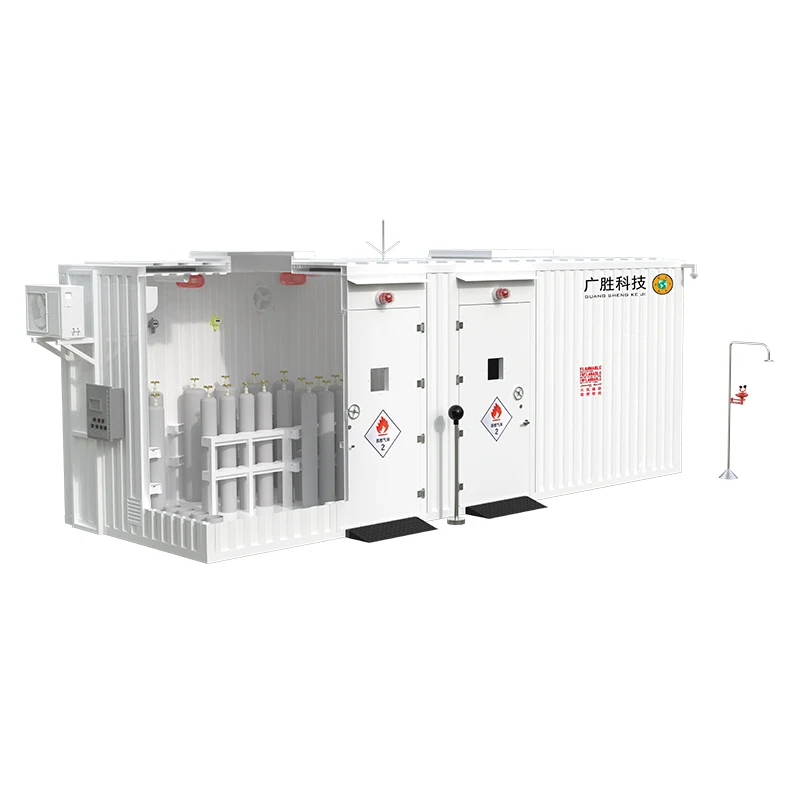
| Gas cylinder cabinet | Storage of gas cylinders under suitable conditions | Gas compatibility, cylinder restraint, ventilation, and applicable standards |
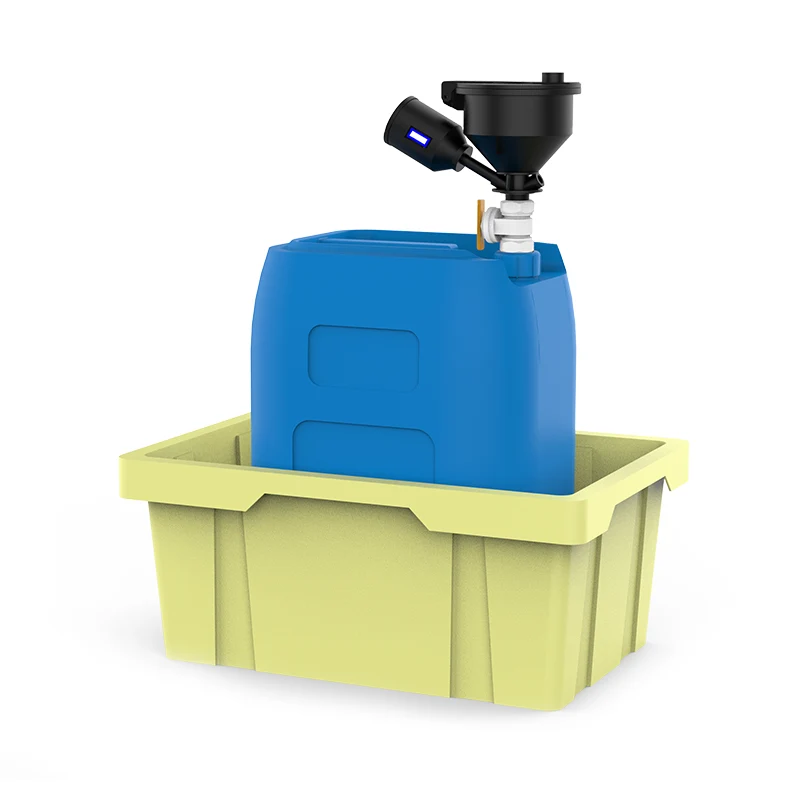
| Waste liquid storage cabinet | Temporary collection of designated waste liquids | Leak prevention, waste segregation, containment, and disposal procedures |
The categories above describe general functions rather than interchangeable equipment specifications. Actual requirements depend on the materials, container types, storage conditions, and relevant regulations. Facilities should verify the intended use of each product before placing hazardous substances inside it.
A cabinet designed for flammable liquids may not provide the corrosion resistance required for concentrated acids. Likewise, equipment intended for gas cylinders may need ventilation, restraint systems, and other features that are not relevant to liquid storage cabinets.
Combining incompatible materials in a single storage unit can introduce additional risks, even when the enclosure itself is robust. Separate storage arrangements may be necessary to reduce the possibility of dangerous reactions or cross-contamination.
For this reason, purchasing decisions should begin with a hazard assessment rather than a general preference for a particular cabinet material or capacity. The selected equipment should address the actual storage problem and fit into the facility's established safety procedures.
Appropriate equipment is only one component of a safe storage system. Consistent daily practices help maintain cabinet condition, improve inventory visibility, and reduce the likelihood of preventable incidents.
Every container should carry appropriate identification and hazard information in accordance with applicable requirements. Labels should remain legible under normal storage conditions, and damaged or missing labels should be addressed through established procedures.
Inventory records should identify the materials present, their storage locations, and any relevant handling restrictions. A clear record system helps personnel locate materials, identify unnecessary stock, and prepare for inspections or emergency response.
Facilities may use paper records or digital inventory systems according to operational needs. Regardless of the method, the information should be accurate, accessible to authorized personnel, and updated when materials are received, transferred, used, or removed.
Routine inspections can help identify damaged packaging, corrosion, residue, door problems, and other conditions that may compromise safe operation. The inspection frequency should reflect the substances stored, the operating environment, and the manufacturer's recommendations.
Inspection procedures should cover both the stored materials and the cabinet itself. Employees should check that doors operate correctly, labels remain visible, containment features are unobstructed, and the surrounding area remains free of unnecessary materials.
Any defect that could affect safety should be reported and addressed promptly. Where a cabinet has been damaged by a fire, impact, chemical release, or other significant event, it should not automatically be returned to service without an appropriate assessment.
Good housekeeping reduces avoidable handling errors and helps maintain access to safety equipment. Containers should be placed in stable positions, and shelving should be used within its rated limits. Heavy containers should be handled using appropriate techniques and equipment.
Cabinet interiors should not become general-purpose spaces for unrelated tools, packaging, or personal belongings. Keeping the designated storage area organized makes it easier to identify unusual conditions and reduces interference with routine inspections.
Materials should be returned to their assigned locations after use. Employees should also avoid leaving containers open or unattended and should follow the specified procedures for closing, transferring, and disposing of chemicals.
Personnel who handle hazardous materials should understand the relevant hazards, storage rules, and reporting procedures. Training should be appropriate to their responsibilities and should include the safe use of storage equipment.
Emergency arrangements should identify how employees are expected to respond to spills, unusual odors, damaged containers, or signs of fire. The response must be consistent with the substances involved and the site's emergency plan.
Employees should not attempt to control a chemical release beyond their training or available protective equipment. Evacuation, isolation, notification, and specialist assistance may be necessary depending on the severity of the incident.
Laboratories and industrial workplaces often handle flammable liquids as part of testing, cleaning, formulation, manufacturing, or maintenance activities. The associated storage risks vary according to the chemical properties, quantities, work processes, and physical layout of each facility.
Laboratories may store solvents, reagents, cleaning agents, and other substances required for analytical or experimental work. Storage decisions should account for the frequency of use, the compatibility of different chemicals, and the potential consequences of a release.
Maintaining separation between storage and active experimental work can help reduce exposure to ignition sources. Only appropriate quantities should be kept in working areas, subject to applicable requirements and the laboratory's risk assessment.
Clear labeling and reliable inventory management are especially important when multiple teams share a laboratory. Consistent procedures reduce confusion and make it easier to identify the responsible personnel when a storage issue arises.
Industrial facilities may use flammable liquids for equipment cleaning, surface preparation, lubrication, coating, or other production activities. These operations can introduce ignition sources, moving equipment, and frequent container handling into the storage environment.
Storage areas should be arranged to reduce unnecessary movement and prevent interference with production routes. Cabinet locations should also be considered in relation to hot work, electrical equipment, and processes that may generate sparks or heat.
Supervisors should review storage practices when production processes change. New chemicals, increased inventory, modified workflows, or relocated equipment may introduce hazards that were not addressed in the original assessment.
Schools, universities, and research facilities may handle a broad range of chemicals in teaching laboratories, specialist research areas, and technical workshops. The range of users and experience levels makes clear storage rules and appropriate supervision particularly important.
Storage equipment should be selected according to the substances involved and the institution's safety procedures. Restricted materials should remain under appropriate control, while clear signage and documented responsibilities help maintain consistent practices across departments.
Institutions should review their arrangements periodically and whenever laboratory activities change. This helps ensure that storage practices remain appropriate as research programs, teaching requirements, and chemical inventories evolve.
Hazardous waste requires careful management because its composition and condition may differ from those of unused chemicals. Waste streams can contain mixtures, residues, contaminated packaging, or substances whose properties are not fully known without further assessment.
Waste segregation should follow the relevant chemical compatibility rules and waste classification requirements. Containers should not be combined simply to save space, and uncertain materials should be assessed before they are mixed with an existing waste stream.
Appropriate containers and storage equipment help reduce the risk of leaks and unintended reactions. The suitability of the enclosure should be evaluated according to the waste's composition, physical state, temperature conditions, and potential effects on construction materials.
Clear identification should indicate the nature of the waste and any applicable handling restrictions. Where required, records should also support traceability from collection through transfer to an authorized treatment or disposal provider.
Liquid waste storage should include suitable measures for managing foreseeable leakage. The required containment arrangement depends on applicable regulations, the type and quantity of waste, and the characteristics of the storage location.
Containers should be inspected for deterioration, swelling, corrosion, damaged closures, and other warning signs. Suspect containers should be handled under the site's established response procedures rather than moved casually through occupied areas.
Spill prevention also depends on good transfer practices. Employees should use appropriate equipment, avoid overfilling containers, and ensure that closures are secure before moving waste into designated storage areas.
Temporary storage should be integrated into a documented waste management process. Facilities need to know when waste is collected, how long it can remain on site, which service providers are authorized to handle it, and what records must be retained.
Waste should not remain in temporary storage indefinitely because collection arrangements have been overlooked. Regular reviews of inventory and collection schedules help reduce unnecessary accumulation and identify developing storage problems.
Professional treatment and disposal should follow the requirements applicable to the specific waste stream. Appropriate storage supports this process but does not replace the need for lawful transportation, treatment, recycling, or final disposal.
Many storage incidents arise from routine practices that gradually weaken established controls. Identifying these problems early can help facilities improve consistency without relying solely on additional equipment.
A cabinet may appear suitable because it can accommodate the expected volume, yet still be inappropriate for the substances involved. Capacity must be considered alongside fire performance, chemical compatibility, containment, and certification requirements.
To avoid this mistake, document the intended use before selecting a product. Confirm that the cabinet's technical specifications support the planned application and that the internal arrangement will accommodate the actual containers safely.
Products that look similar can differ in their construction, test evidence, intended uses, and compliance status. General descriptions such as heavy-duty, industrial-grade, or fire-resistant do not establish a specific performance level on their own.
Technical documentation should be reviewed before equipment is approved. Where a particular certification or fire-resistance classification is required, verify the relevant evidence rather than relying on a general marketing statement.
Storage arrangements that were appropriate for an earlier inventory may become unsuitable after new substances are introduced. Changes in chemical compatibility, total quantity, or handling procedures can affect the risk assessment.
Facilities should review storage arrangements whenever inventory or operational conditions change significantly. This review should include the suitability of existing cabinets, segregation practices, emergency measures, and employee training.
Even appropriately selected equipment can become less effective when doors are damaged, labels disappear, or employees do not understand the storage rules. A cabinet should therefore be included in the facility's inspection and maintenance program.
Training should explain both the intended function of the equipment and its limitations. Employees need to understand which materials may be stored inside, how to report defects, and what actions to take when a container or cabinet appears unsafe.
Chemical storage management continues to evolve as organizations place greater emphasis on risk assessment, traceability, environmental performance, and integrated workplace safety. These priorities encourage a more systematic approach to equipment selection and day-to-day operation.
Rather than selecting equipment through a general checklist alone, facilities increasingly benefit from evaluating individual hazards and documenting the reasoning behind storage decisions. This approach can reveal differences between work areas that might otherwise be overlooked.
Risk assessments should consider normal operations as well as foreseeable abnormal conditions. These may include container damage, temporary increases in inventory, equipment failure, power interruptions affecting associated systems, or changes in nearby processes.
Documented assessments also help safety teams explain why a particular cabinet type, storage location, or segregation method was selected. When conditions change, the existing assessment provides a practical starting point for review.
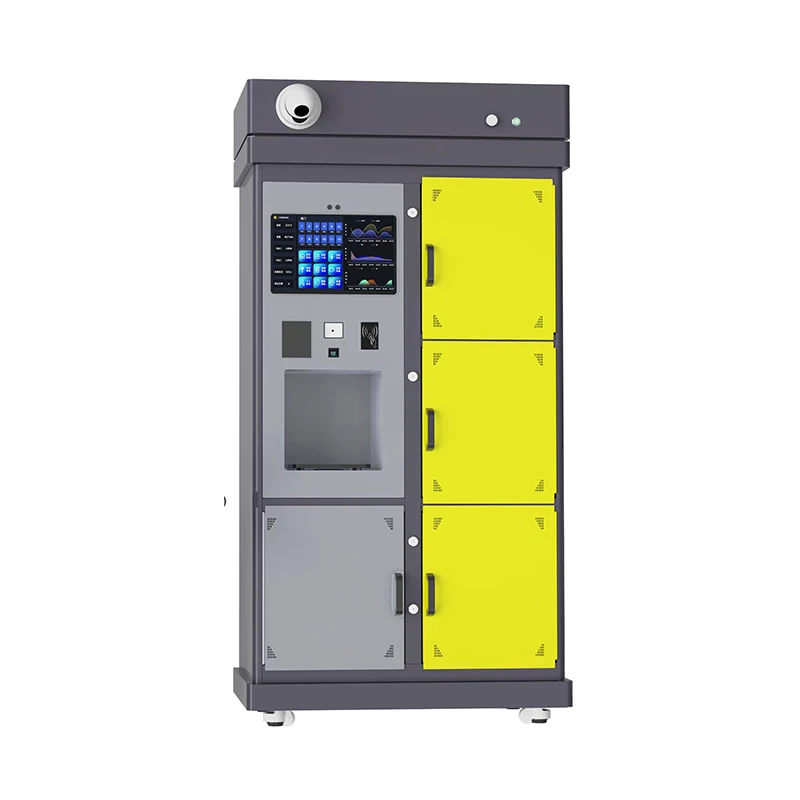
Accurate inventory information can improve storage discipline by making it easier to identify what is present, where it is located, and whether it remains necessary. Digital tools may support this process through controlled access, searchable records, and reminders for inspections or scheduled collection.
Technology should complement rather than replace sound operating procedures. Records remain useful only when employees update them consistently and the information reflects the actual conditions in the storage area.
Traceability is particularly valuable for hazardous waste because facilities may need to document the movement of materials between collection, temporary storage, and authorized treatment. Clear records can support internal audits and help identify opportunities to reduce unnecessary accumulation.
Equipment selection should account for more than the initial installation. Durability, cleaning requirements, inspection access, replacement components, maintenance support, and the availability of technical documentation can all affect long-term suitability.
A cabinet that is easy to inspect and maintain may support more consistent safety practices over its service life. Conversely, a unit that is difficult to access or poorly matched to the operating environment may encourage workarounds that weaken storage controls.
Facilities should establish clear criteria for removing damaged equipment from service and determining whether repair or replacement is appropriate. These decisions should be based on the manufacturer's guidance, the condition of the unit, and the applicable safety requirements.
Identify the chemicals or waste streams, review their safety data, and determine whether the proposed cabinet is designed for those substances. Confirm that incompatible materials will be separated and that any special storage conditions can be maintained.
The answer depends on the materials, quantities, building conditions, applicable fire codes, and site-specific risk assessment. Review the cabinet's verified performance and confirm that it meets the requirements established for the installation.
Check the usable dimensions, container sizes, shelving configuration, and any containment features that occupy internal space. Allow for safe placement and removal without obstructing doors or exceeding the equipment's stated limits.
Establish inspection responsibilities, reporting procedures, and a suitable maintenance schedule before the cabinet enters service. Employees should know how to identify problems and whom to contact when the equipment requires attention.
Relevant documents may include product specifications, operating instructions, applicable test reports, certificates, maintenance guidance, and installation requirements. The exact documentation depends on the equipment type and the compliance obligations of the facility.
Effective chemical storage depends on the relationship between suitable equipment, sound operating procedures, employee awareness, and consistent oversight. No single cabinet can eliminate every hazard, but appropriately selected storage equipment can contribute to a structured approach to fire prevention, spill control, and environmental protection.
Organizations should begin by identifying the materials involved and understanding their hazards. They can then determine the appropriate storage category, review capacity and compatibility, verify technical documentation, and establish the procedures required for safe daily operation.
Regular inspections and inventory reviews help maintain these arrangements as operational needs evolve. When a new chemical is introduced or a process changes, storage requirements should be reassessed rather than assumed to remain the same.
For facilities considering a 30 Gallon Fireproof Cabinet, the most useful selection criteria are its verified performance, suitability for the intended materials, practical internal configuration, and compatibility with the site's safety requirements. Evaluating these factors together supports more informed equipment decisions and helps avoid the risks associated with unsuitable storage.
As an established provider of security storage equipment and related solutions, Guangsheng Technology Wuxi Co., Ltd. focuses on the research and development, production, and sales of specialized cabinets for laboratories, industrial facilities, and hazardous material management. Its product range includes flammable storage cabinets, chemical safety cabinets, toxic substance cabinets, gas cylinder cabinets, waste liquid temporary storage cabinets, strong acid and alkali storage cabinets, fume hoods, and laboratory benches.
The company has obtained management system certifications covering quality, environmental protection, and occupational health and safety, alongside international certifications including CE, RoHS, and FM. It has also been recognized as a national high-tech enterprise and holds more than one hundred patents and certificates. Through continued technical development, quality-focused manufacturing, and pre-sales, in-sales, and after-sales support, Guangsheng Technology Wuxi Co., Ltd. works to address diverse security storage requirements and provide practical solutions for safer chemical handling, fire risk management, and environmental protection.