
News

Why Is a 60 Gallon Flammable Liquid and Chemicals Safety Storage Cabinet Essential for Safer Workplaces?

2026-08-28 0 Leave me a message

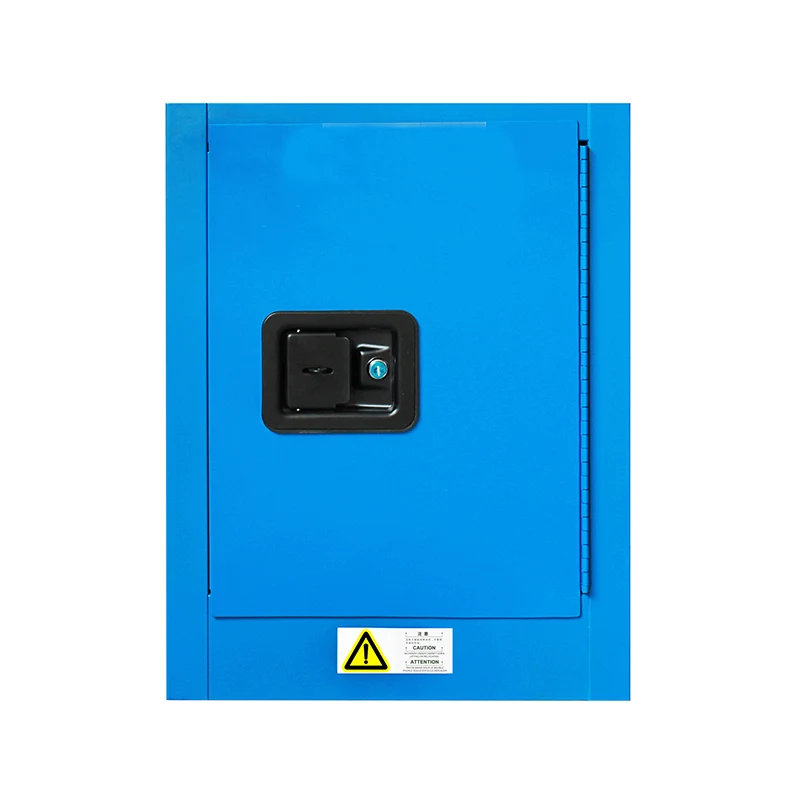
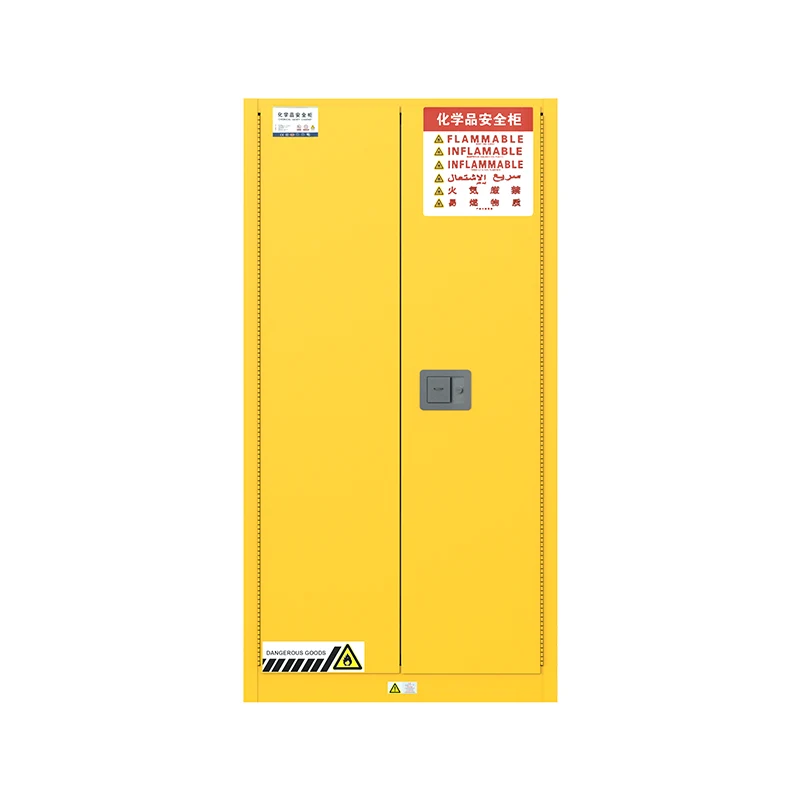
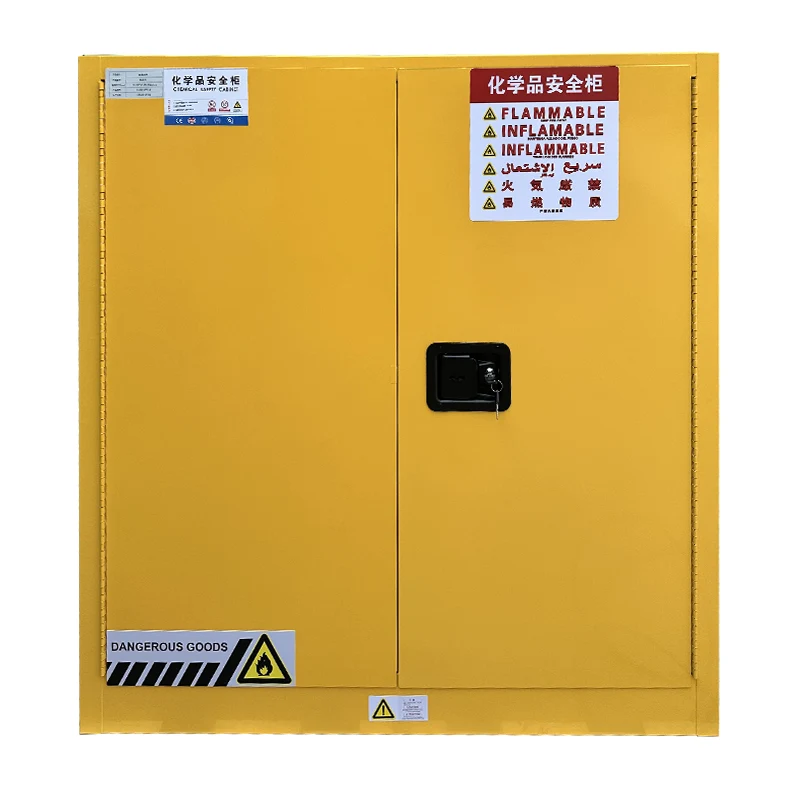
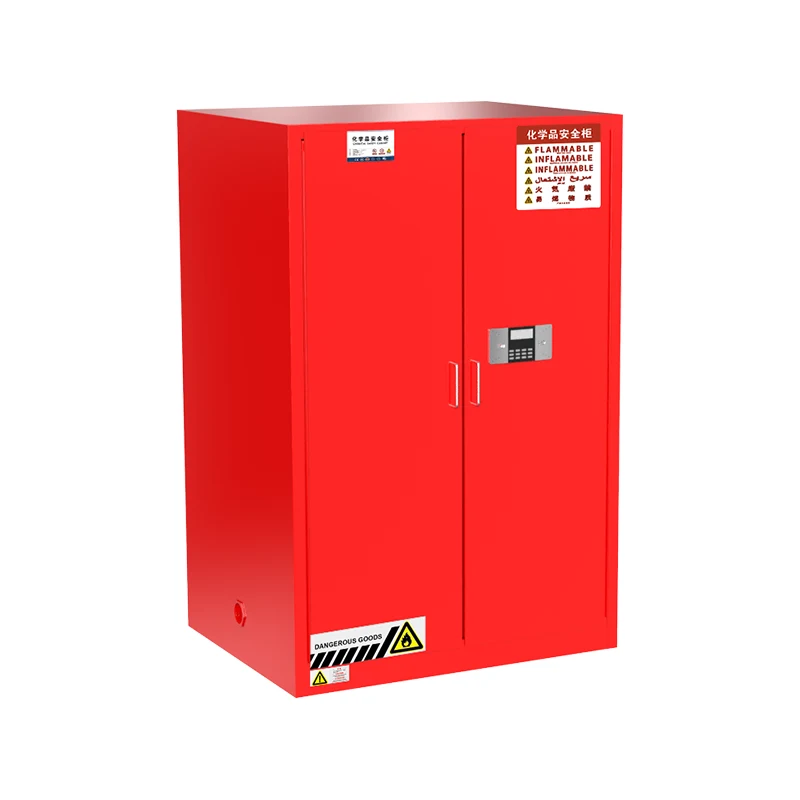
A 60 Gallon Flammable Liquid and Chemicals Safety Storage Cabinet provides a dedicated, organized, and controlled storage environment for flammable liquids and compatible hazardous chemicals. Instead of leaving containers on open shelves, workbenches, or scattered around a production area, a properly designed safety cabinet helps reduce exposure to ignition sources, accidental spills, unauthorized access, and workplace clutter. This guide explains what a 60-gallon cabinet is, why capacity matters, which design features deserve attention, how to organize containers correctly, and how to establish safer daily handling practices.

The right cabinet is not simply a metal box with doors. Its construction, shelving arrangement, spill containment, ventilation considerations, labeling, accessibility, and compatibility with the chemicals being stored all influence its practical safety value. Selecting a cabinet based on actual storage requirements can also help businesses make better use of floor space while creating a more consistent chemical-management system.

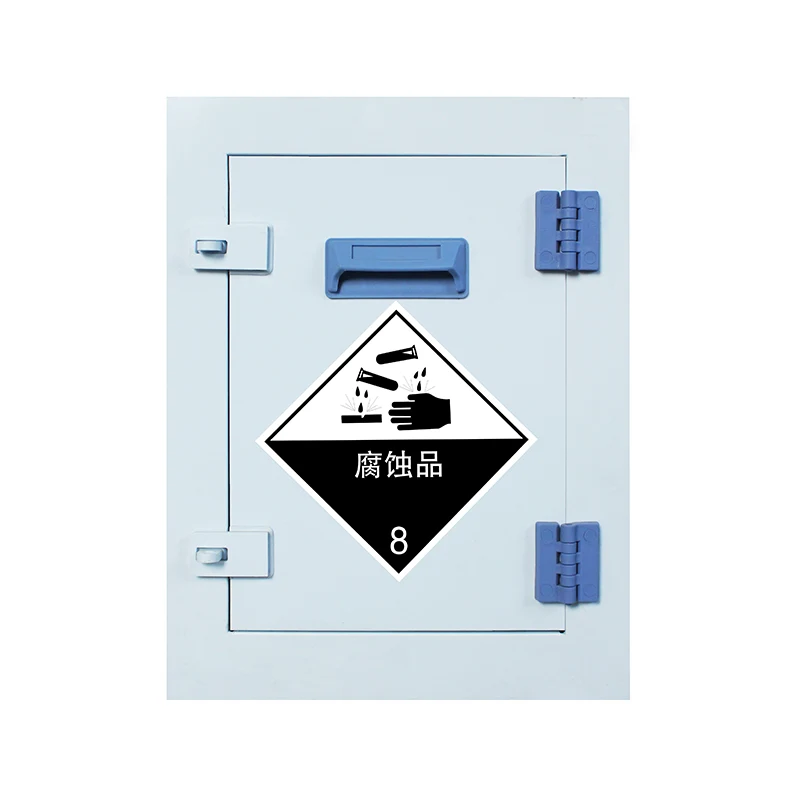
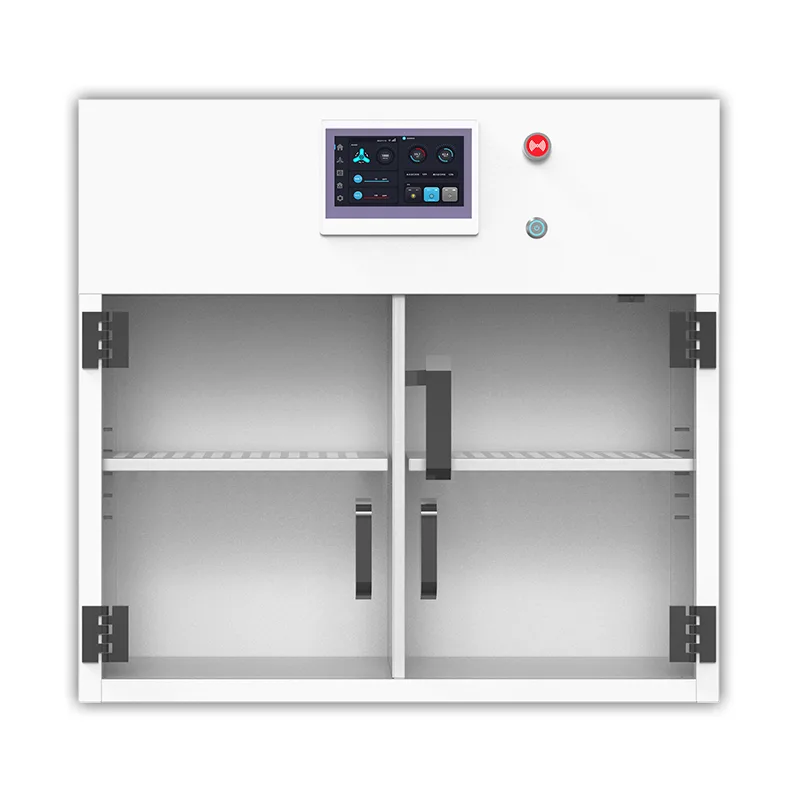
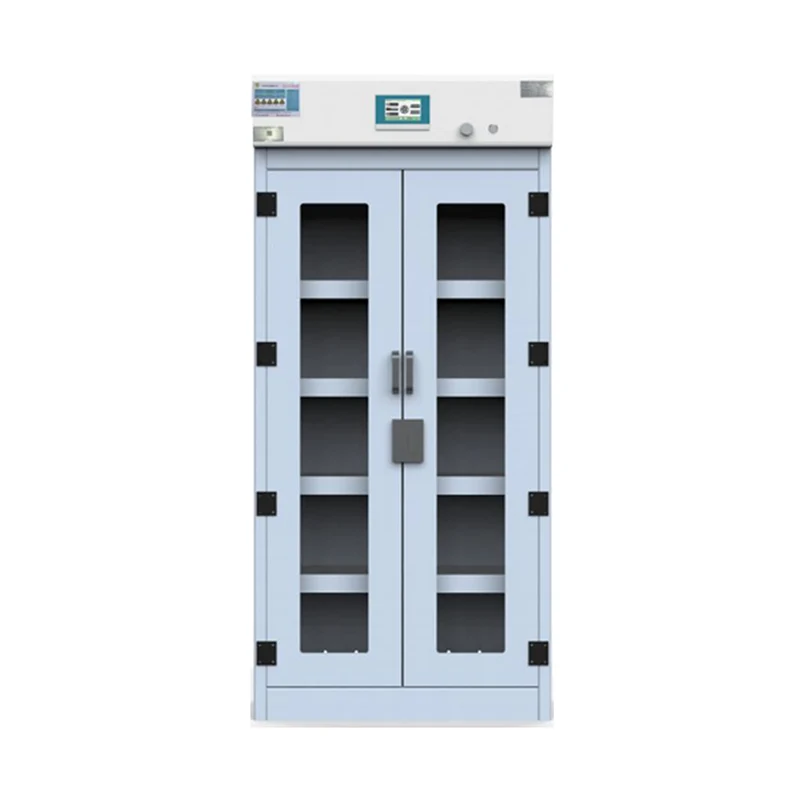
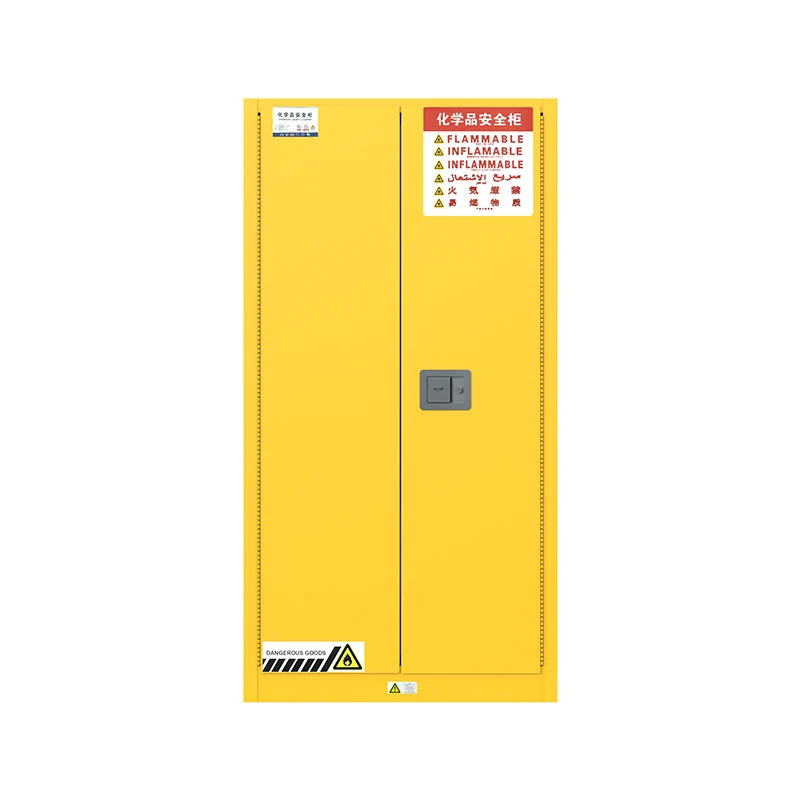
60 Gallon Flammable Liquid and Chemicals Safety Storage Cabinet

Table of Contents

  1. What Is a 60 Gallon Flammable Liquid and Chemicals Safety Storage Cabinet?
  2. Why Does Dedicated Chemical Storage Matter?
  3. How Does 60-Gallon Capacity Help With Storage Planning?
  4. What Features Should a Safety Storage Cabinet Provide?
  5. Where Can a 60-Gallon Safety Cabinet Be Used?
  6. How Should Flammable Liquids and Chemicals Be Organized?
  7. How Can Businesses Select the Right Cabinet?
  8. What Common Storage Mistakes Should Be Avoided?
  9. How Can Cabinet Performance Be Maintained?
  10. Key Benefits at a Glance
  11. Purchasing and Installation Checklist
  12. Frequently Asked Questions
  13. Final Thoughts

What Is a 60 Gallon Flammable Liquid and Chemicals Safety Storage Cabinet?

A 60 Gallon Flammable Liquid and Chemicals Safety Storage Cabinet is a purpose-built storage unit designed to provide controlled storage for flammable liquids and, where compatible, certain hazardous chemicals. Its primary role is to keep containers organized and separated from ordinary workplace storage while providing a more robust barrier than open shelving or general-purpose cabinets.

The term “60 gallon” generally refers to the cabinet's nominal storage capacity. It gives facilities a useful middle-to-large capacity option when a small cabinet is insufficient but several separate units would consume excessive floor space. The actual usable arrangement depends on the cabinet's internal dimensions, shelf configuration, container sizes, and the types of materials being stored.

A quality safety cabinet should therefore be considered part of a broader chemical-management system. The cabinet itself cannot eliminate every hazard. Safe storage also depends on compatible containers, appropriate labeling, good housekeeping, employee training, suitable separation of incompatible substances, and compliance with applicable local requirements.


Why Does Dedicated Chemical Storage Matter?

Flammable liquids can create serious workplace hazards when containers are stored casually or close to potential ignition sources. Vapors may accumulate, containers can be damaged, and accidental leakage can spread contamination. Poor organization can also make emergency response more difficult.

A dedicated safety storage cabinet addresses several of these problems at the organizational level. It creates a clearly identified location for controlled materials and encourages workers to return containers to a defined storage area after use.

Risk Control

Provides a dedicated storage barrier and reduces uncontrolled placement of flammable containers.

Organization

Keeps frequently used chemical containers together in a clearly designated location.

Spill Management

Appropriate containment features can help limit the spread of minor leaks or spills within the cabinet.

Workplace Awareness

Clear labels and dedicated storage reinforce safe handling procedures.

For facilities with regular chemical use, this structure can make day-to-day operations more predictable. Workers know where materials belong, supervisors can inspect storage more easily, and inventory can be managed without searching through unrelated shelves or work areas.


How Does 60-Gallon Capacity Help With Storage Planning?

Storage capacity is one of the most important practical considerations when purchasing a chemical safety cabinet. A cabinet that is too small may encourage overloading or external storage, while an oversized unit can occupy valuable workspace unnecessarily.

A 60-gallon configuration can provide a useful balance for workshops, laboratories, maintenance departments, manufacturing facilities, service areas, and other workplaces that handle a moderate quantity of flammable liquids.

Planning Factor Why It Matters Practical Question
Container quantity Determines whether internal capacity is sufficient. How many containers are stored every day?
Container size Two cabinets with the same nominal capacity may accommodate containers differently. What are the dimensions and shapes of the containers?
Shelf configuration Influences accessibility and usable vertical space. Can shelves support the required loads?
Future demand Storage needs can increase as operations expand. Will additional containers be added later?

Capacity should never be evaluated solely by the number printed on a product specification. Internal layout, load-bearing capability, door clearance, installation location, and chemical compatibility all deserve equal attention.


What Features Should a Safety Storage Cabinet Provide?

The construction of a safety cabinet directly affects its usability and durability. When comparing products, buyers should look beyond appearance and examine the details that influence everyday operation.

  • Durable metal construction: A robust steel structure can provide strength for industrial environments and repeated daily use.
  • Adjustable or practical shelving: Shelves should accommodate the dimensions and weight of the intended containers without creating unnecessary wasted space.
  • Spill containment: A suitable bottom sump or containment area can help keep leaked liquid confined within the cabinet.
  • Secure doors: Reliable door hardware and latching help keep stored materials protected and the storage area clearly controlled.
  • Clear warning labels: Highly visible hazard markings help workers recognize the cabinet's intended use.
  • Stable installation: The cabinet should be installed on a suitable, level surface and positioned according to the manufacturer's instructions and applicable requirements.
  • Accessible configuration: Frequently used containers should be easy to retrieve without forcing workers to reach awkwardly or move numerous containers.
  • Appropriate finish: A durable coating can help the cabinet withstand normal industrial wear and environmental exposure.
Important: Ventilation, grounding, fire-resistance construction, permissible stored materials, and other technical characteristics should be evaluated according to the cabinet specification and the regulations applicable to the installation location. Chemical compatibility should always be confirmed before storage.

Where Can a 60-Gallon Safety Cabinet Be Used?

The cabinet format is suitable for many environments where flammable liquids or compatible chemicals are part of routine operations.

Manufacturing Facilities

Useful for controlled storage of process-related liquids and maintenance chemicals.

Automotive Workshops

Can organize appropriate flammable liquids used for maintenance and servicing.

Laboratories

Provides a defined location for compatible laboratory chemicals and solvents.

Maintenance Departments

Helps keep operational chemicals away from general storage and work surfaces.

Warehouses

Supports more organized management of chemical inventory in designated areas.

Industrial Service Areas

Useful where workers need controlled access to chemicals during routine tasks.


How Should Flammable Liquids and Chemicals Be Organized?

A well-designed cabinet only delivers its intended benefit when employees use it correctly. Storage practices should be based on the properties of each material rather than simply placing every chemical inside the same cabinet.

  1. Identify the material: Read the product label and safety data information before storage.
  2. Confirm compatibility: Do not assume that all chemicals can safely share the same cabinet.
  3. Inspect containers: Do not store containers that are damaged, leaking, badly corroded, or otherwise unsuitable.
  4. Keep labels visible: Workers should be able to identify the contents without unnecessary handling.
  5. Avoid overloading: Keep within the cabinet's specified shelf and capacity limits.
  6. Keep containers stable: Arrange them to minimize tipping, impact, or unnecessary movement.
  7. Close containers properly: Containers should remain securely closed when not actively being used, following the product's handling requirements.
  8. Maintain access: Keep the cabinet and its surrounding area clear enough for safe operation and emergency access.

It is particularly important not to use a single cabinet as a universal solution for every hazardous substance. Oxidizers, reactive substances, corrosive chemicals, and other incompatible materials may require separate storage arrangements. Always follow the chemical manufacturer's instructions and applicable local regulations.


How Can Businesses Select the Right Cabinet?

The best purchasing decision starts with the workplace rather than the product photograph. Before ordering a 60-gallon safety cabinet, buyers should document what they actually need to store and how the cabinet will be used.

Evaluation Area Questions to Ask
Chemical compatibility Are the intended liquids compatible with the cabinet and with each other?
Capacity Does the cabinet provide enough practical storage without overloading?
Dimensions Will it fit the available floor area while allowing the doors to operate correctly?
Construction Is the material and finish appropriate for the workplace environment?
Shelving Can shelves safely support the planned containers and loads?
Compliance Does the design meet the standards and requirements relevant to the destination market?
Supplier support Can the manufacturer provide specifications, documentation, customization, and after-sales assistance?

For international procurement, documentation can be especially important. Buyers may need technical specifications, material information, packaging details, inspection documents, installation instructions, or other project-specific records. Working with an experienced manufacturer can simplify this process.


What Common Storage Mistakes Should Be Avoided?

Many chemical-storage problems result not from a lack of equipment but from poor application. Several common mistakes can reduce the effectiveness of a safety cabinet.

  • Choosing capacity based only on nominal volume: Internal dimensions and container geometry matter.
  • Mixing incompatible chemicals: Compatibility must be established before storage.
  • Ignoring container condition: Damaged or leaking containers require immediate attention according to established procedures.
  • Blocking the cabinet: Boxes, equipment, or other objects should not prevent safe access to the cabinet.
  • Overloading shelves: Shelf load limits should always be respected.
  • Removing warning labels: Hazard identification should remain clear and visible.
  • Using the cabinet as permanent waste storage: Chemical waste should be handled under an appropriate waste-management procedure.
  • Failing to inspect: Door hardware, shelves, containment areas, corrosion, labels, and general condition should be checked regularly.

How Can Cabinet Performance Be Maintained?

Regular inspection is a simple but important part of responsible chemical storage. A maintenance program should reflect the frequency of use, workplace environment, cabinet design, and the manufacturer's recommendations.

Routine inspection points:

  • Check the exterior for dents, corrosion, or coating damage.
  • Inspect doors, hinges, handles, and latching components.
  • Check shelves for deformation or signs of excessive loading.
  • Inspect the containment area for residue, contamination, or damage.
  • Confirm hazard labels remain legible.
  • Review stored containers and remove unsuitable or expired materials according to workplace procedures.
  • Keep the surrounding floor area clean and unobstructed.
  • Document inspections where required by the facility's safety-management system.

Cleaning should also be approached carefully. The cleaning method and materials should be compatible with the cabinet finish and any chemical residue present. Workers should follow site-specific procedures and the relevant safety documentation rather than improvising.

Key Benefits at a Glance

Benefit Workplace Value
Dedicated storage Creates a defined location for appropriate flammable liquids.
Improved organization Makes inventory easier to identify, access, and inspect.
Space efficiency Consolidates suitable containers into one purpose-built storage unit.
Spill containment Appropriate containment can help control minor leaks inside the cabinet.
Operational consistency Encourages employees to follow a defined storage routine.
Professional workplace management Supports a more structured approach to hazardous-material storage.


Purchasing and Installation Checklist

Before purchasing a 60 Gallon Flammable Liquid and Chemicals Safety Storage Cabinet, use the following checklist to reduce the risk of selecting a product that does not match the application.

☐ Confirm the chemical types and compatibility requirements.
☐ Confirm the actual container sizes and quantities.
☐ Verify external dimensions and available installation space.
☐ Check shelf capacity and internal layout.
☐ Review containment and construction details.
☐ Verify applicable standards and destination-market requirements.
☐ Request technical documentation from the supplier.
☐ Plan employee training and routine inspections.

Frequently Asked Questions

Is a 60-gallon cabinet suitable for every chemical?

No. Capacity does not determine chemical compatibility. The substances being stored must be evaluated individually, and incompatible chemicals may require separate storage arrangements. Always consult the chemical manufacturer's safety information and applicable regulations.

What does the 60-gallon capacity mean?

It generally describes the cabinet's nominal storage capacity. The number and type of containers that can be practically stored depend on internal dimensions, shelf arrangement, container sizes, load limits, and storage requirements.

Can flammable liquids be stored on ordinary open shelves?

Open shelving may not provide the controlled storage environment required for flammable liquids. Storage requirements depend on the chemical, quantity, workplace conditions, and applicable regulations. A purpose-designed safety cabinet is generally a more appropriate solution where such storage is required.

Why is spill containment important?

Containment features can help keep leaked liquid within a defined area instead of allowing it to spread across shelves or floors. This can make cleanup and incident management more controlled, although containment does not replace proper handling and spill-response procedures.

Should the cabinet be ventilated?

Ventilation requirements depend on the cabinet design, chemicals stored, facility conditions, and applicable regulations. Ventilation should not be improvised. Follow the cabinet manufacturer's instructions and the requirements relevant to the installation.

How often should a chemical safety cabinet be inspected?

Inspection frequency should be established according to workplace risk, frequency of use, environmental conditions, manufacturer recommendations, and applicable safety procedures. Routine visual checks are useful for identifying damage, leaks, corrosion, overloaded shelves, or other problems early.

Can a 60-gallon cabinet be customized?

Customization options vary by manufacturer. Depending on the supplier, businesses may be able to discuss dimensions, shelving arrangements, labeling, colors, locking systems, packaging, or other project-specific requirements. Customization should never compromise the cabinet's intended safety function.

What should buyers request from a manufacturer?

Buyers should request clear specifications covering dimensions, materials, capacity, shelf loads, construction, applicable testing or certifications, installation guidance, packaging, and any other documentation required for the destination market. Clear technical communication is especially important for overseas projects.


Final Thoughts

A 60 Gallon Flammable Liquid and Chemicals Safety Storage Cabinet can become an important part of a well-organized chemical storage program. Its value goes beyond simply providing additional space: a properly selected cabinet helps establish a dedicated location, supports better inventory organization, provides appropriate containment features, and contributes to more consistent workplace practices.

However, safe chemical storage is always a combination of suitable equipment and responsible procedures. Businesses should consider chemical compatibility, container condition, storage quantities, installation requirements, employee training, inspection routines, and applicable regulations before putting a cabinet into service.

For companies seeking dependable industrial storage solutions, Guangsheng Technology Wuxi Co., Ltd. can provide professional support for evaluating safety cabinet requirements and discussing product specifications for different applications. A clear understanding of your chemical types, storage quantities, dimensions, working environment, and destination-market requirements can help the supplier recommend a more suitable solution.

Need a Reliable Chemical Storage Solution?

If you are planning a new chemical storage area, upgrading an existing facility, or sourcing safety cabinets for an industrial project, contact Guangsheng Technology Wuxi Co., Ltd. to discuss your requirements, cabinet capacity, construction options, and project specifications.

Contact us to discuss your 60-gallon flammable liquid and chemical storage cabinet requirements.

Related News
Leave me a message
X
We use cookies to offer you a better browsing experience, analyze site traffic and personalize content. By using this site, you agree to our use of cookies.Privacy Policy