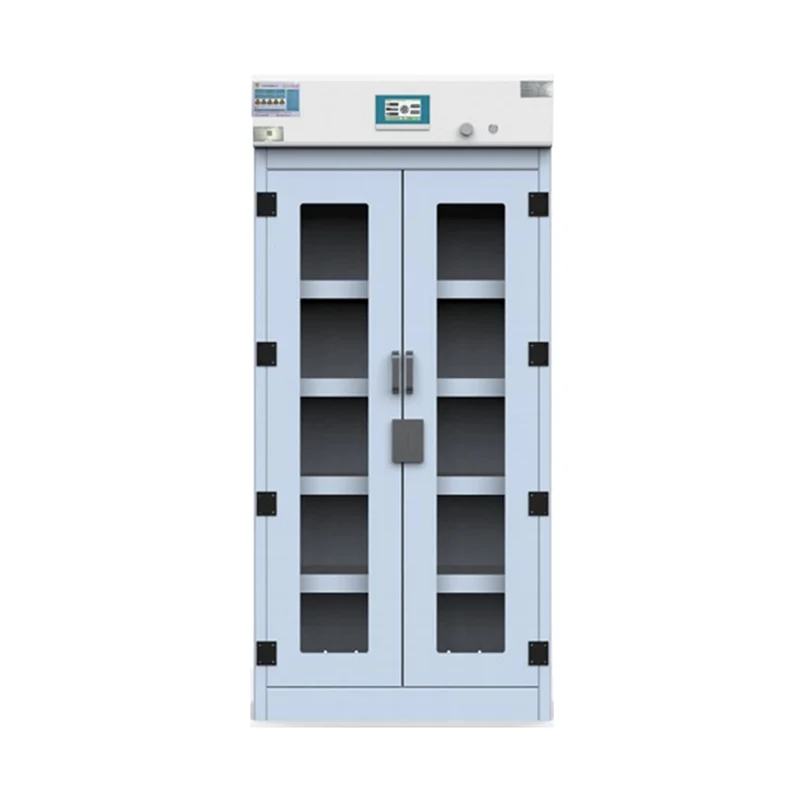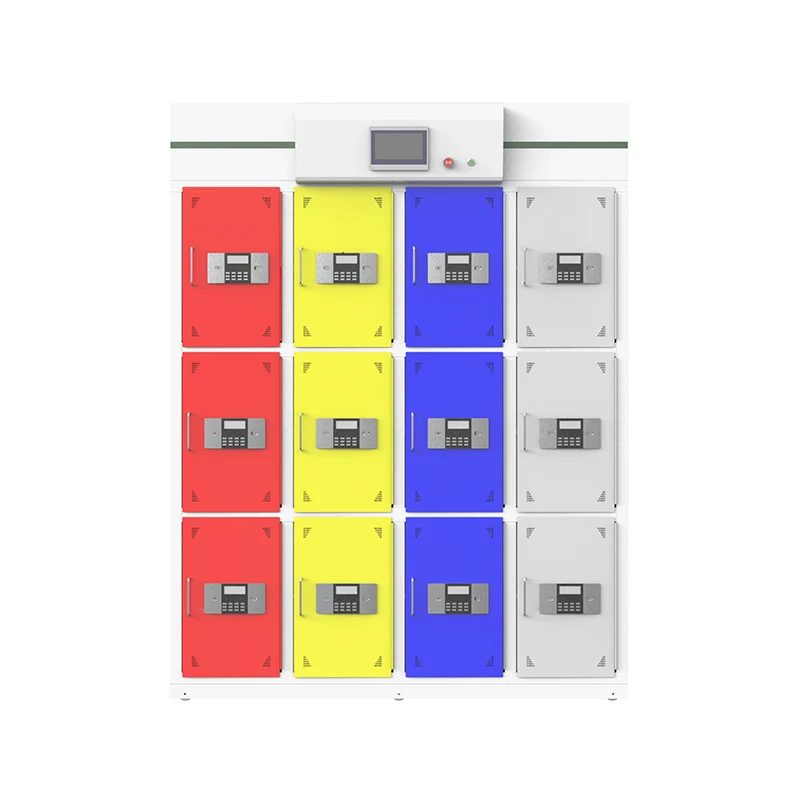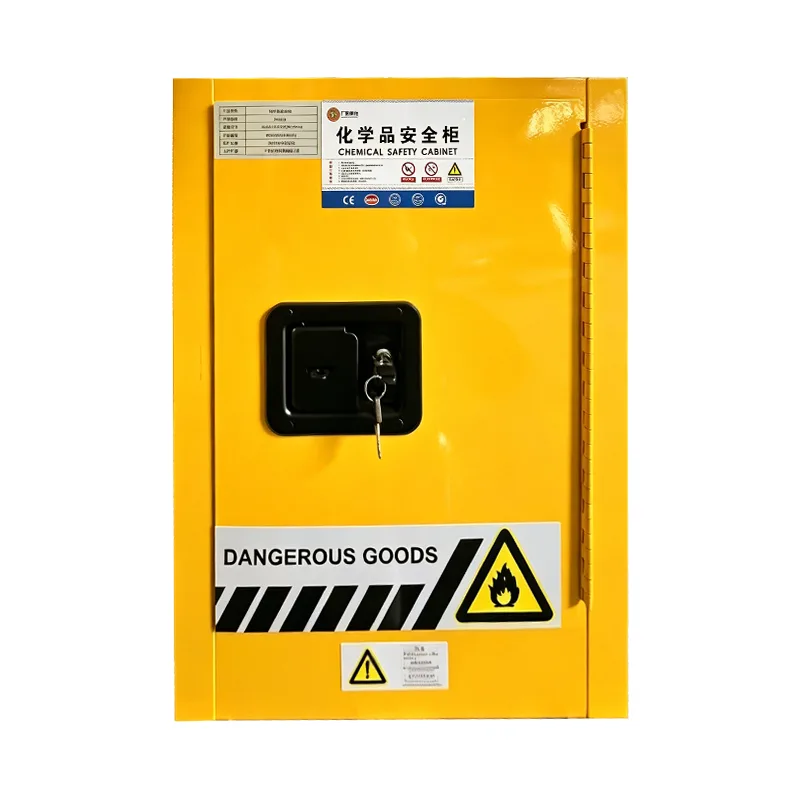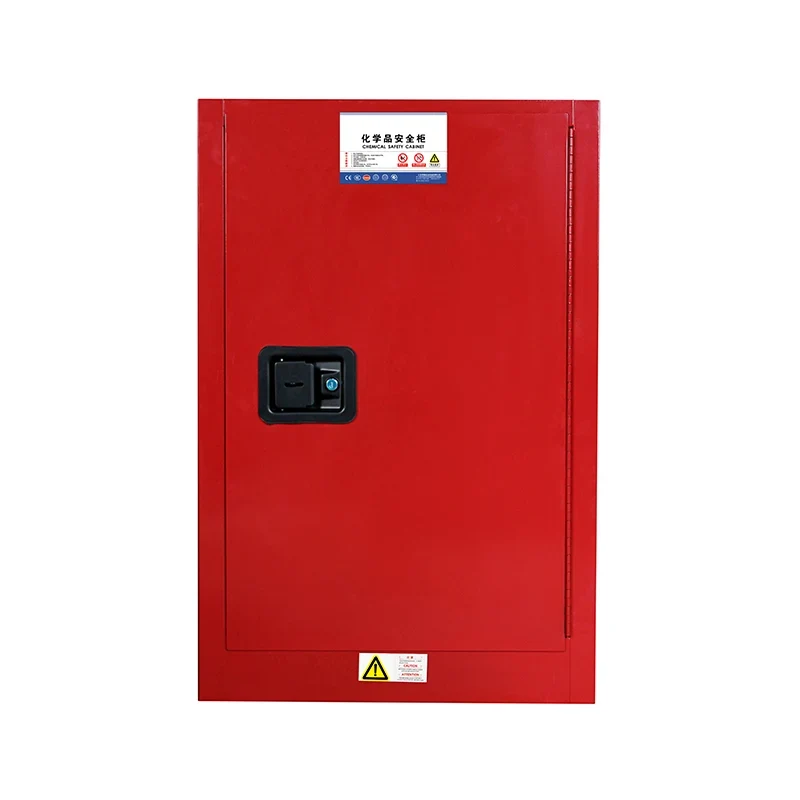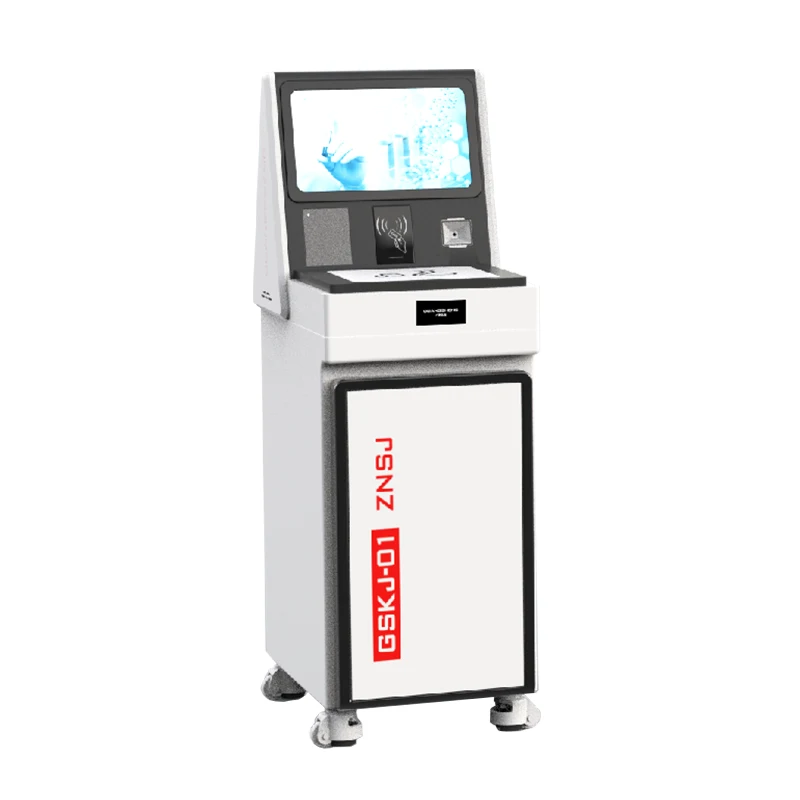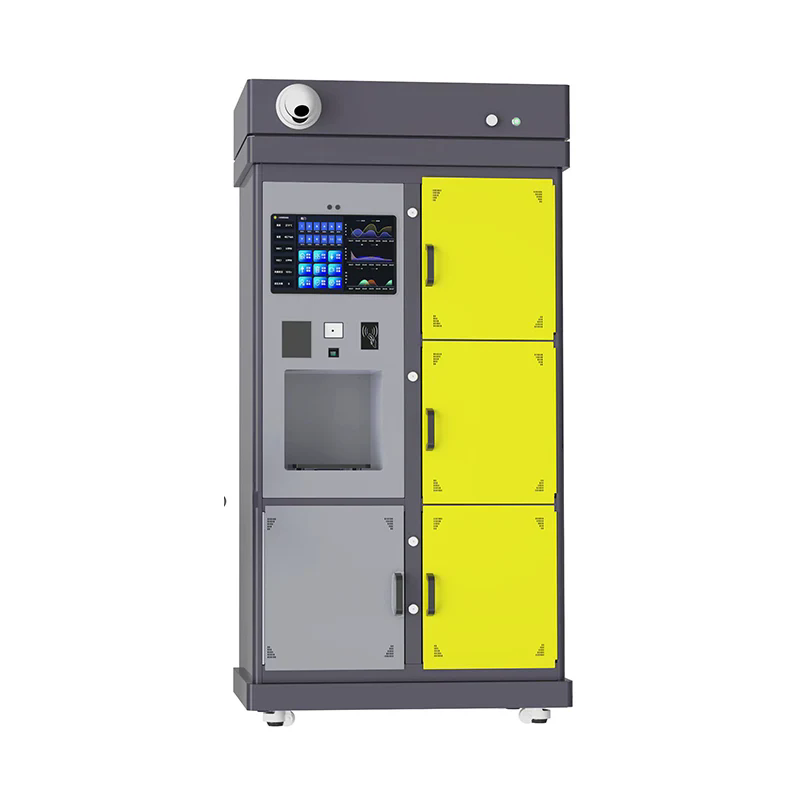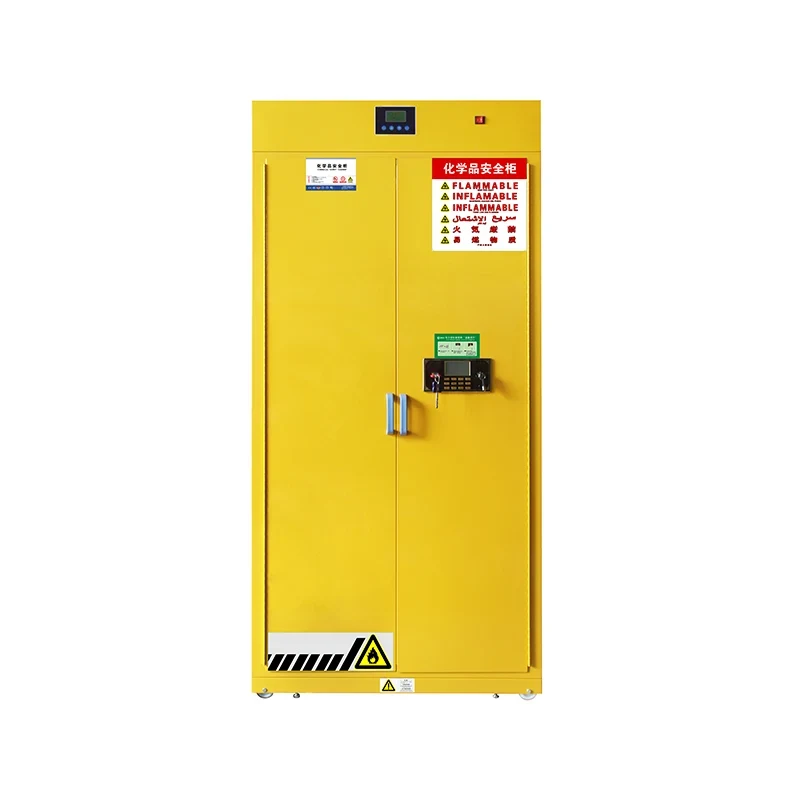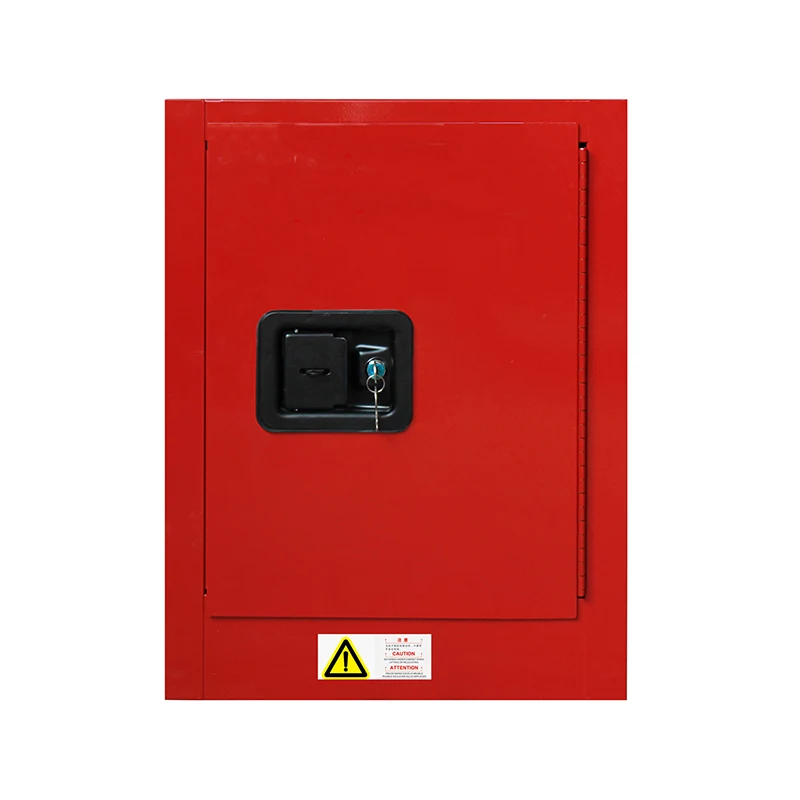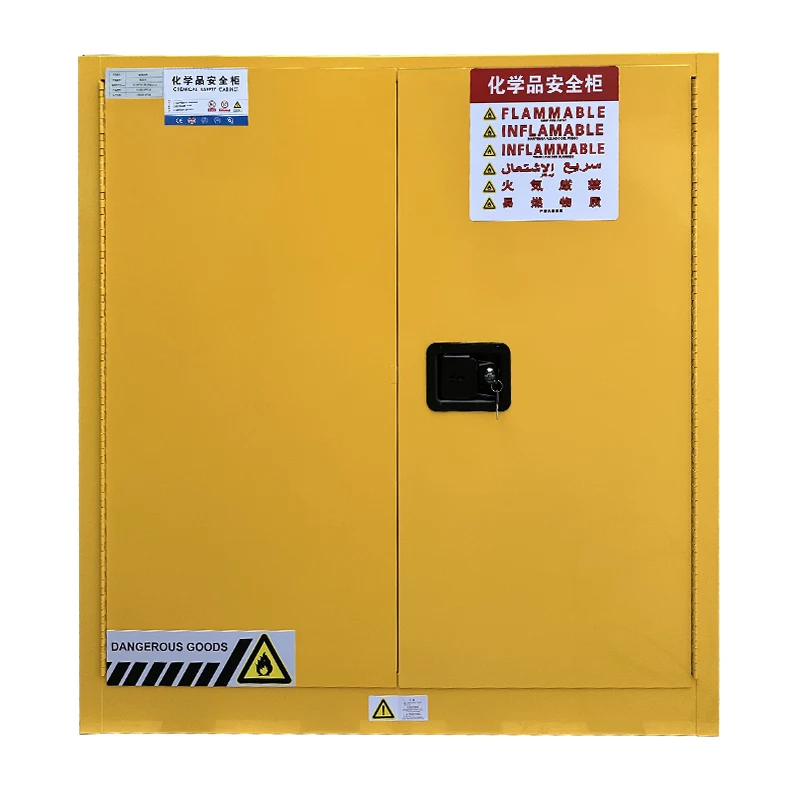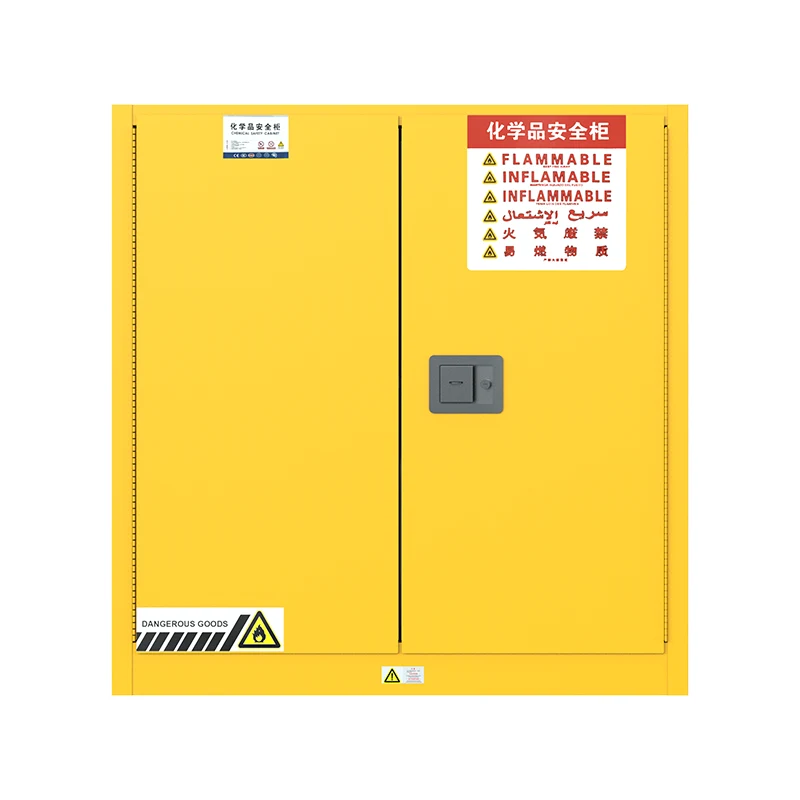

Shelving-type container warehouses represent a modern evolution in industrial storage systems, combining modular shelving structures with containerized logistics principles. These systems are widely used in manufacturing, logistics, e-commerce fulfillment, cold chain storage, and heavy industrial environments where space optimization and accessibility are critical. This article explores how shelving-type container warehouses are designed, their structural logic, key benefits, operational challenges, and practical implementation strategies. It also provides detailed tables, lists, and real-world application insights to help decision-makers improve warehouse efficiency, reduce operational costs, and increase throughput.
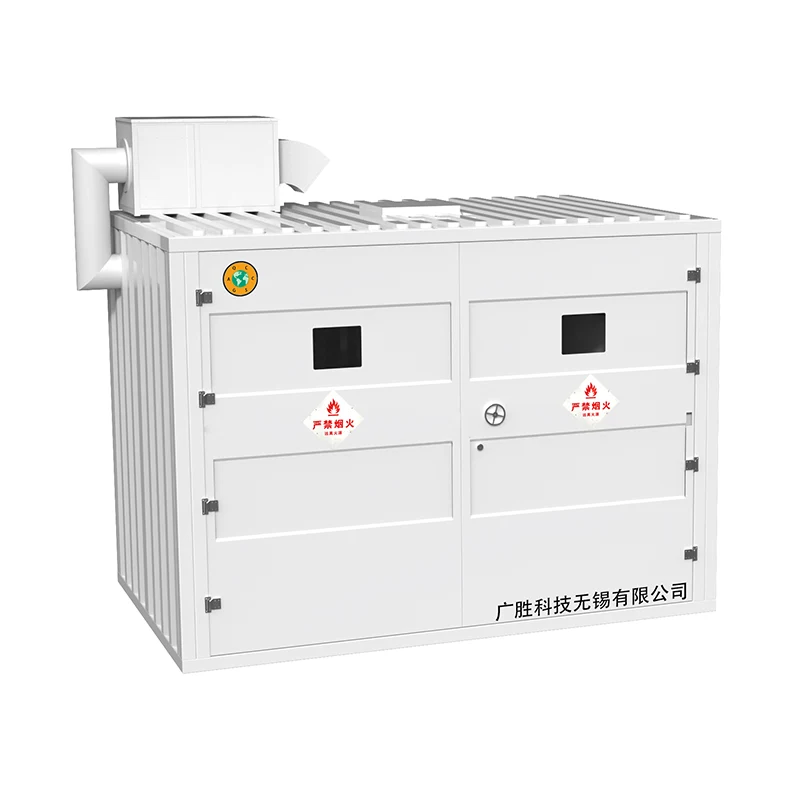
Shelving-type container warehouses are engineered storage systems that integrate the rigidity of industrial shelving with the modular flexibility of container-based logistics. Unlike conventional flat-floor storage, these systems utilize vertical space more efficiently, enabling high-density storage while maintaining structured accessibility.
As global supply chains become more complex, businesses are under pressure to reduce warehouse footprint while increasing throughput. This has led to the rise of intelligent shelving-based container systems that allow goods to be organized in standardized units, often compatible with automated handling systems.
The core idea behind shelving-type container warehouses is vertical optimization. Instead of spreading inventory across wide floor areas, goods are stored in layered shelving modules designed to accommodate standardized containers.
Structural characteristics include:
This architecture allows warehouses to increase storage density by 30%–70% compared to traditional floor stacking methods.
Shelving-type container warehouses offer a wide range of operational improvements that directly impact efficiency, safety, and cost control.
| Benefit | Description | Impact Level |
|---|---|---|
| Space Optimization | Maximizes vertical storage utilization | High |
| Improved Accessibility | Standardized container retrieval system | High |
| Reduced Labor Costs | Less manual handling and faster picking | Medium–High |
| Inventory Accuracy | Structured storage reduces misplacement | High |
| Scalability | Easy expansion through modular shelving | High |
These benefits make shelving-type container warehouses particularly valuable in high-demand logistics environments where efficiency and precision are critical.
A shelving-type container warehouse is composed of multiple interconnected systems that work together to ensure smooth storage and retrieval operations.
When combined, these components create a structured ecosystem that supports both manual and automated warehouse operations.
Shelving-type container warehouses are used in a wide variety of industries due to their adaptability and scalability.
Each industry benefits from improved organization, reduced retrieval time, and better space utilization.
| Feature | Traditional Warehouse | Shelving-type Container Warehouse |
|---|---|---|
| Space Utilization | Low to Medium | High |
| Inventory Control | Manual-heavy | Structured & digital-ready |
| Scalability | Limited | Modular expansion |
| Operational Speed | Moderate | High efficiency |
| Automation Compatibility | Low | High |
The comparison clearly highlights why modern logistics operations are shifting toward shelving-based containerized systems.
Designing an effective shelving-type container warehouse requires careful planning and engineering precision.
Poor design decisions can lead to inefficiencies, increased maintenance costs, and safety risks.
To maximize warehouse performance, businesses should adopt strategic optimization methods.
These improvements not only increase speed but also reduce operational costs significantly over time.
Challenge 1: High Initial Investment
Solution: Adopt phased installation strategies to distribute cost over time.
Challenge 2: System Complexity
Solution: Use standardized containers and digital warehouse management systems.
Challenge 3: Maintenance Requirements
Solution: Regular structural inspections and preventive maintenance schedules.
Challenge 4: Worker Training
Solution: Provide structured training programs for safe handling and system usage.
The future of shelving-type container warehouses is strongly connected to automation and smart logistics systems.
These innovations will continue to reshape warehouse operations, making them faster, safer, and more intelligent.
Q1: What makes shelving-type container warehouses different?
They combine modular shelving with standardized container systems to improve density and organization.
Q2: Are these systems suitable for small businesses?
Yes, modular design allows gradual expansion even for small-scale operations.
Q3: Can automation be integrated?
Yes, they are highly compatible with AGVs, conveyors, and robotic systems.
Q4: What industries benefit most?
E-commerce, manufacturing, automotive, and cold chain logistics benefit significantly.
Q5: Is maintenance difficult?
With proper design and inspection routines, maintenance is manageable and predictable.
Shelving-type container warehouses represent a strategic evolution in modern storage infrastructure. Their modular design, scalability, and compatibility with automation make them an essential solution for industries aiming to improve efficiency and reduce operational bottlenecks.
As global logistics continues to evolve, companies adopting these systems gain a competitive advantage in speed, accuracy, and cost control. Whether for large-scale distribution centers or specialized industrial storage, this model delivers long-term operational value.
About the Manufacturer
This industry insight is supported by engineering expertise from Guangsheng Technology Wuxi Co., Ltd., a company dedicated to providing advanced storage system solutions and industrial warehouse optimization technologies.
If you are planning to upgrade your warehouse system or develop a new high-efficiency storage project, our team is ready to support you with customized engineering solutions tailored to your operational needs.
Contact us today to explore how shelving-type container warehouse solutions can transform your logistics performance and long-term competitiveness.