
Guangsheng Technology Wuxi Co., Ltd.
News

How Does PP Fume Hood Improve Laboratory Safety and Efficiency?

2026-06-18 0 Leave me a message

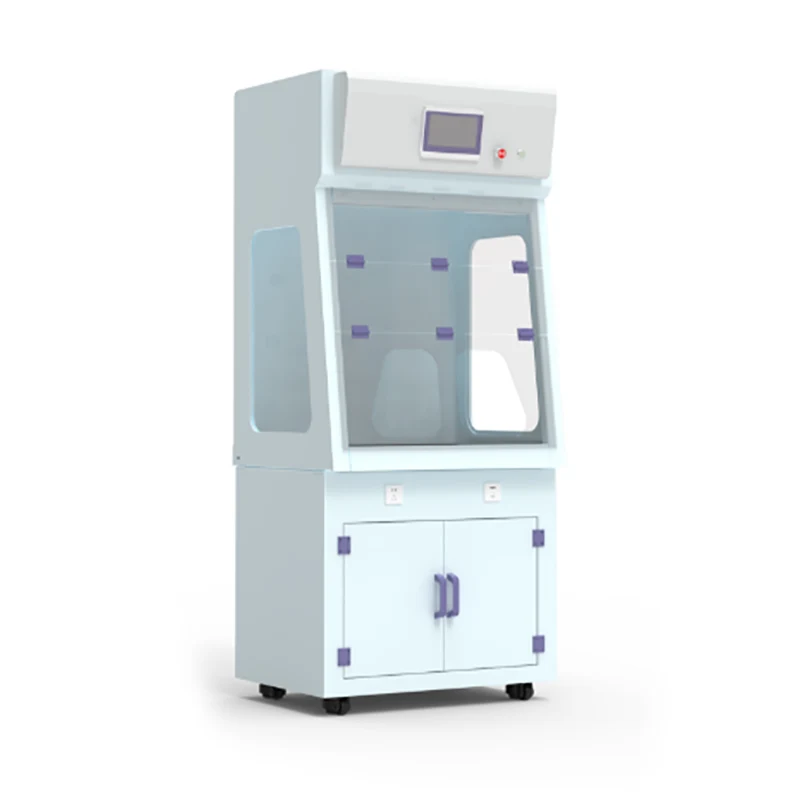
A PP fume hood (Polypropylene Fume Hood) is a critical piece of laboratory safety equipment designed to protect users from hazardous fumes, corrosive chemicals, and airborne contaminants. This article provides a comprehensive exploration of PP fume hoods, including their structure, working principles, advantages, applications, selection guidelines, maintenance strategies, and comparisons with other materials. It is designed to help laboratory managers, engineers, and procurement specialists make informed decisions when investing in safe and efficient laboratory ventilation systems.

PP fume hood


Table of Contents


Introduction to PP Fume Hoods

Modern laboratories handle a wide range of volatile chemicals, acids, and reactive substances that can pose serious health risks if not properly controlled. Among the essential safety systems, the PP fume hood stands out as one of the most reliable solutions for corrosive and chemically aggressive environments.

Unlike traditional metal-based fume hoods, PP fume hoods are specifically engineered using polypropylene material, which provides excellent resistance to acids, alkalis, and chemical corrosion. This makes them highly suitable for chemical laboratories, pharmaceutical research centers, and industrial testing facilities.

As laboratory safety standards continue to rise globally, understanding how PP fume hoods improve both safety and operational efficiency is crucial for facility planners and laboratory professionals.


What is a PP Fume Hood?

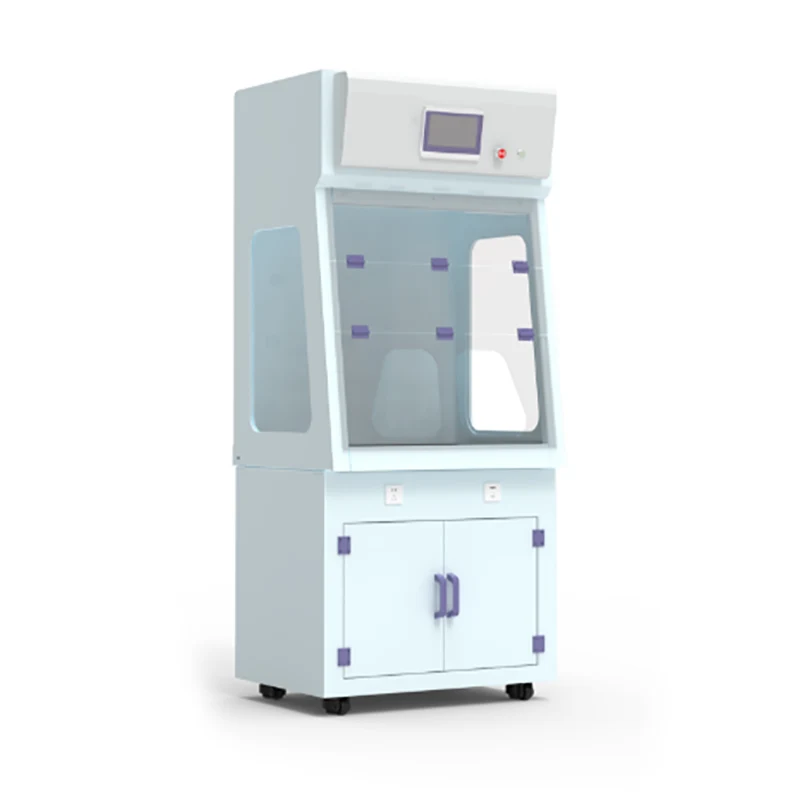
A PP fume hood is a ventilated enclosure made primarily from polypropylene (PP) plastic, designed to contain and exhaust hazardous chemical vapors away from laboratory personnel. It creates a controlled airflow environment that prevents harmful substances from escaping into the laboratory space.

The structure typically includes:

  • Corrosion-resistant PP cabinet structure
  • Transparent safety sash (usually acrylic or tempered glass)
  • Exhaust system for air removal
  • Work surface resistant to acids and chemicals
  • Lighting and utility systems (water, gas, electrical ports)

This combination ensures both safety and functionality for chemical handling operations.


Why Polypropylene Material Matters

The defining feature of a PP fume hood is its construction material: polypropylene. This thermoplastic polymer is widely used in environments requiring high chemical resistance.

Key Advantages of Polypropylene

  • Excellent chemical resistance: Resistant to strong acids such as sulfuric acid and hydrochloric acid
  • Non-corrosive: Unlike metal hoods, PP does not rust or oxidize
  • Lightweight structure: Easier installation and transportation
  • Long service life: Reduced maintenance costs over time

These characteristics make PP fume hoods especially suitable for laboratories where aggressive chemicals are frequently used.


Working Principle of PP Fume Hoods

The PP fume hood operates on a simple but highly effective airflow control system. Its main purpose is to capture hazardous vapors at the source and direct them safely out of the laboratory.

The process works as follows:

  1. Air is drawn into the hood through the front opening (sash area).
  2. Contaminated air is captured inside the chamber.
  3. Exhaust fans remove the air through ducting systems.
  4. Filtered or exhausted air is released outside the building.

This directional airflow ensures that harmful gases never escape into the breathing zone of laboratory workers.


Types of PP Fume Hoods

PP fume hoods come in various configurations depending on laboratory requirements.

  • Ducted PP Fume Hood: Directs air outside through a ventilation system
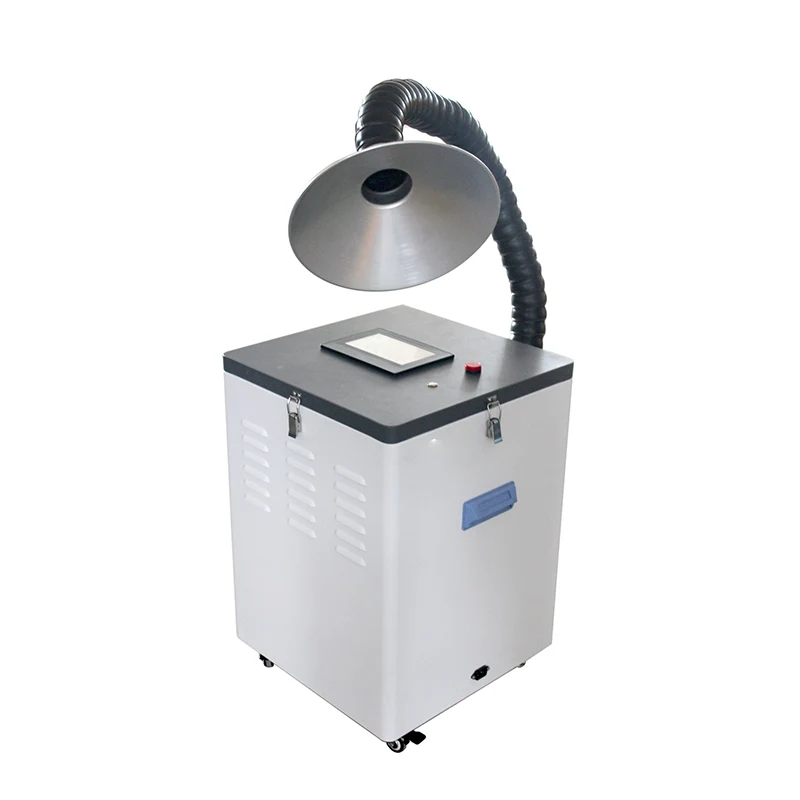
  • Ductless PP Fume Hood: Uses filtration systems to clean air before recirculation
  • Bench-Top PP Fume Hood: Compact design for small laboratories
  • Floor-Standing PP Fume Hood: Large capacity for industrial applications

Applications in Modern Laboratories

PP fume hoods are widely used across industries where chemical safety is critical. Their versatility makes them suitable for various environments.

  • Pharmaceutical research laboratories
  • Chemical manufacturing plants
  • Educational institutions (universities and colleges)
  • Environmental testing laboratories
  • Electroplating and semiconductor industries

In each of these applications, the PP fume hood ensures safe handling of corrosive substances while maintaining operational efficiency.


Key Safety and Performance Features

Feature Function Benefit
Airflow Control System Maintains stable air velocity Prevents vapor leakage
Corrosion-Resistant Body Resists chemical damage Longer equipment lifespan
Adjustable Sash Controls opening height Improves operator safety
LED Lighting Provides clear visibility Enhances precision work

PP Fume Hood vs Other Materials

Choosing the right fume hood material is essential for performance and safety. Below is a comparison between PP, stainless steel, and epoxy-coated steel fume hoods.

Material Chemical Resistance Durability Cost Efficiency
Polypropylene (PP) Excellent High Moderate
Stainless Steel Medium Very High High
Epoxy-Coated Steel Good Medium Moderate

PP fume hoods clearly outperform other materials in corrosive environments, making them the preferred choice for acid-heavy laboratories.


How to Choose the Right PP Fume Hood

Selecting the appropriate PP fume hood requires careful consideration of laboratory needs and operational conditions.

  • Type of chemicals used in the laboratory
  • Required airflow capacity
  • Laboratory size and layout
  • Compliance with safety standards
  • Budget and maintenance requirements

A well-chosen fume hood not only improves safety but also enhances workflow efficiency and reduces long-term costs.


Installation and Ventilation Requirements

Proper installation is essential for optimal performance of PP fume hoods. Poor installation can compromise airflow and safety.

Key installation considerations include:

  • Proper connection to exhaust ducting systems
  • Stable placement on level flooring
  • Adequate clearance around the hood
  • Correct airflow calibration

Professional installation is strongly recommended to ensure compliance with laboratory safety regulations.


Maintenance and Long-Term Operation

Regular maintenance ensures that PP fume hoods continue to function efficiently and safely over time.

  • Inspect airflow systems regularly
  • Clean internal surfaces to prevent contamination buildup
  • Check sash movement and sealing
  • Replace filters when necessary
  • Schedule periodic professional inspections

With proper care, a PP fume hood can deliver reliable performance for many years.

Common Issues and Troubleshooting

Even high-quality PP fume hoods may encounter operational issues over time.

  • Low airflow: Often caused by blocked ducts or fan issues
  • Noise problems: May indicate mechanical imbalance
  • Leakage of fumes: Usually due to improper sash positioning
  • Electrical failures: Related to control system faults

Early detection and timely maintenance are key to preventing serious safety risks.


Future Trends in Fume Hood Technology

The future of PP fume hoods is moving toward smarter, more energy-efficient systems.

  • Smart airflow monitoring systems
  • Energy-saving variable air volume (VAV) technology
  • IoT-based safety alerts
  • Advanced filtration materials
  • Eco-friendly manufacturing processes

These advancements will further improve laboratory safety while reducing operational costs and environmental impact.


Frequently Asked Questions

1. What makes PP fume hoods different from metal fume hoods?
PP fume hoods are made from polypropylene, offering superior resistance to corrosive chemicals compared to metal alternatives.

2. Are PP fume hoods suitable for all laboratories?
They are ideal for chemical-heavy environments but may not be necessary for low-risk biological labs.

3. How long does a PP fume hood last?
With proper maintenance, it can last many years, often over a decade.

4. Do PP fume hoods require special maintenance?
Routine inspection and cleaning are sufficient to maintain performance.

5. Can PP fume hoods handle strong acids?
Yes, they are specifically designed for high resistance to strong acids and corrosive substances.


Conclusion and Contact Information

PP fume hoods play a vital role in ensuring laboratory safety, especially in environments dealing with corrosive chemicals and hazardous fumes. Their superior chemical resistance, durability, and efficient airflow design make them an essential investment for modern laboratories.

Whether you are upgrading an existing laboratory or building a new facility, choosing the right PP fume hood can significantly enhance safety standards and operational efficiency.

For high-quality PP fume hood solutions and customized laboratory equipment support, Guangsheng Technology Wuxi Co., Ltd. provides reliable engineering expertise and manufacturing capabilities tailored to your needs.

If you are interested in improving your laboratory safety system or need professional consultation, please feel free to contact us for more detailed product information, technical support, and customized solutions.

Related News
Leave me a message
X
We use cookies to offer you a better browsing experience, analyze site traffic and personalize content. By using this site, you agree to our use of cookies.Privacy Policy
RejectAccept